
Starting Composting: A Simple Guide for Beginners

Composting is a fantastic way to reduce waste, enrich your garden soil, and contribute positively to the environment. If you are new to this eco-friendly practice, starting composting might seem overwhelming. However, with the right guidance and a few simple steps, anyone can turn kitchen scraps and yard waste into nutrient-rich compost. This guide will walk you through the basics and help you get started on your composting journey.
Why Starting Composting is a Great Idea
Composting is more than just a way to dispose of organic waste. It transforms food scraps, leaves, and other biodegradable materials into a valuable soil amendment. This process helps reduce landfill waste, lowers greenhouse gas emissions, and improves soil health. Here are some key benefits of starting composting:
Reduces household waste: Composting can divert up to 30% of your trash from the landfill.
Improves soil quality: Compost adds essential nutrients and improves soil structure.
Saves money: By making your own compost, you reduce the need for chemical fertilizers.
Supports plant growth: Healthy soil leads to healthier plants and better yields in your garden.
Starting composting is a practical step toward a more sustainable lifestyle. It’s easy to do, requires minimal space, and can be adapted to fit any home or garden size.
Essential Materials for Starting Composting
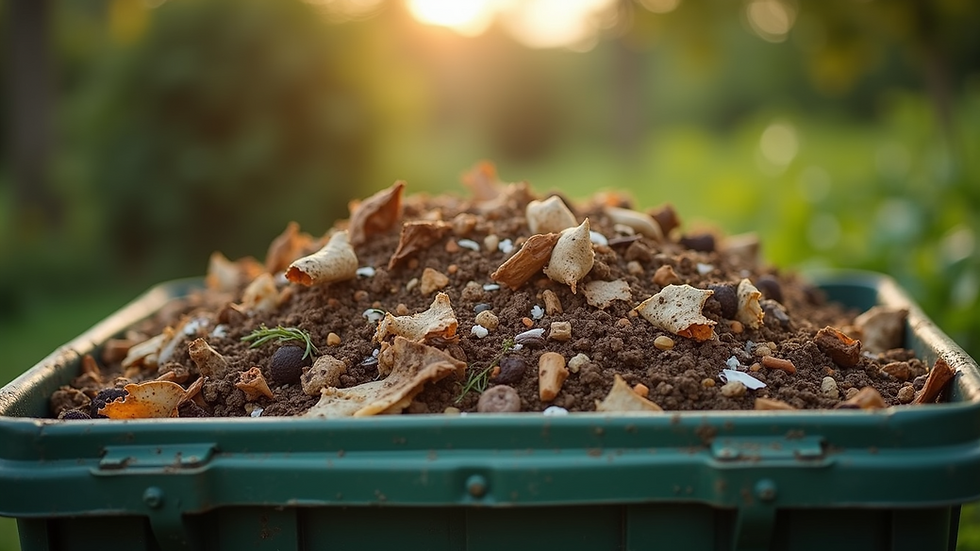
To start composting, you need the right mix of materials. Composting relies on a balance between "greens" and "browns." Greens are nitrogen-rich materials, while browns provide carbon. Both are essential for the microbes that break down the waste.
Greens (Nitrogen-rich materials)
Fruit and vegetable scraps
Coffee grounds and tea bags
Fresh grass clippings
Plant trimmings
Browns (Carbon-rich materials)
Dry leaves
Straw or hay
Shredded newspaper or cardboard
Small branches or twigs
Avoid adding meat, dairy, oily foods, or pet waste, as these can attract pests and cause odors. Also, steer clear of diseased plants or weeds that have gone to seed.
Tools and Equipment
Compost bin or pile: You can buy a compost bin or create a simple pile in your backyard.
Garden fork or shovel: For turning the compost to aerate it.
Water source: Compost needs moisture to break down properly.
By gathering these materials and tools, you’ll be ready to start composting effectively.
How do beginners start composting?
Starting composting is straightforward if you follow these simple steps:
Choose a composting spot: Pick a dry, shaded area near a water source. It should be convenient for adding materials and turning the pile.
Set up your compost bin or pile: If using a bin, place it on bare soil to allow worms and microbes to enter. For a pile, create a heap about 3 feet wide and 3 feet tall.
Layer your materials: Start with a layer of coarse browns like twigs to help with aeration. Then alternate layers of greens and browns, aiming for a ratio of about 2-3 parts browns to 1 part greens.
Maintain moisture: Your compost should be as damp as a wrung-out sponge. Water it occasionally if it becomes too dry.
Turn the pile regularly: Every 1-2 weeks, use a garden fork to mix the compost. This adds oxygen, which speeds up decomposition.
Be patient: Composting can take anywhere from a few weeks to several months depending on conditions.
By following these steps, beginners can create a thriving compost system that produces rich, dark compost for their gardens.

Tips for Successful Composting
To make your composting experience enjoyable and effective, keep these tips in mind:
Chop or shred materials: Smaller pieces break down faster.
Avoid compacting the pile: Loose materials allow air to circulate.
Monitor temperature: A hot pile (between 130-160°F) breaks down materials quickly. If it cools, turn it to add oxygen.
Add soil or finished compost: This introduces beneficial microbes.
Use a compost thermometer: It helps track the decomposition process.
Keep pests away: Cover food scraps with browns and avoid adding meat or dairy.
By applying these practical tips, you’ll maintain a healthy compost pile that produces nutrient-rich soil amendment efficiently.
Using Your Finished Compost
Once your compost looks dark, crumbly, and smells earthy, it’s ready to use. Here are some ways to put your homemade compost to work:
Soil amendment: Mix compost into garden beds to improve soil texture and fertility.
Mulch: Spread compost around plants to retain moisture and suppress weeds.
Potting mix: Combine compost with sand and peat for container gardening.
Lawn care: Top-dress your lawn with a thin layer of compost to boost grass health.
Using compost regularly will help your plants thrive and reduce the need for chemical fertilizers.
Starting composting is a rewarding way to contribute to a healthier planet while enhancing your garden’s productivity. For those eager to learn more, exploring composting for beginners resources can provide additional insights and inspiration.
Keep Growing Your Composting Skills
Composting is a journey that grows with your experience. As you become more comfortable, you can experiment with different composting methods like vermicomposting (using worms) or bokashi (fermentation). You might also explore composting in small spaces with indoor bins or community compost programs.
Remember, every bit of organic waste you compost helps reduce landfill waste and supports a sustainable environment. Keep learning, stay patient, and enjoy the benefits of your homemade compost.
Happy composting!

Comments