
Composting for Beginners: Starter Composting Tips for a Greener Home

Starting a compost pile can feel overwhelming at first. But once you get the hang of it, composting becomes a simple, rewarding way to reduce waste and nourish your garden. I want to share some beginner composting tips that helped me turn kitchen scraps and yard waste into rich, dark soil. Whether you have a backyard or just a small balcony, composting is accessible and beneficial. Let’s dive into how you can start composting for beginners at home and make a positive impact on the planet.
Why Composting Matters and How It Works
Composting is nature’s way of recycling. When organic materials like food scraps and leaves break down, they turn into nutrient-rich compost. This compost improves soil health, helps plants grow, and reduces the amount of waste sent to landfills. Landfills produce methane, a potent greenhouse gas, so composting helps fight climate change too.
The process is simple: microorganisms like bacteria and fungi break down organic matter. To keep this process going, your compost pile needs the right balance of ingredients, moisture, and air. When done right, composting is fast and odor-free.
Here’s what you need to know to get started:
Green materials provide nitrogen (e.g., vegetable scraps, coffee grounds).
Brown materials provide carbon (e.g., dry leaves, cardboard).
A good mix of green and brown keeps the pile healthy.
Turning the pile adds oxygen, speeding up decomposition.
Moisture should be like a wrung-out sponge - not too wet or dry.
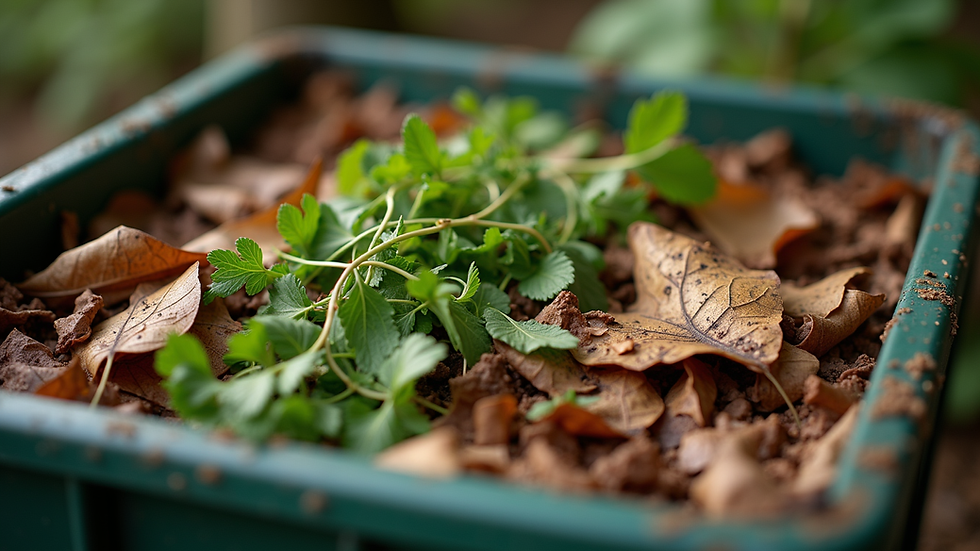
Beginner Composting Tips to Get You Started
Starting your compost pile is easier than you think. Here are some practical tips that helped me maintain a thriving compost system:
Choose the Right Spot
Find a dry, shady spot near your kitchen or garden. This makes it easy to add scraps and turn the pile regularly.
Pick a Compost Bin or Pile
You can compost in a simple pile, a homemade bin, or a purchased compost tumbler. Bins keep pests out and look tidier, but piles work just as well.
Balance Greens and Browns
Aim for about 2 parts brown to 1 part green. Too many greens make the pile smelly; too many browns slow decomposition.
Chop or Shred Materials
Smaller pieces break down faster. Chop vegetable scraps and shred leaves or cardboard before adding them.
Turn the Pile Weekly
Use a garden fork or shovel to mix the pile. This adds oxygen and helps speed up the process.
Keep It Moist
Water the pile if it feels dry. It should be damp but not soggy.
Be Patient
Composting takes time. In warm weather, you can get finished compost in 2-3 months. Cooler weather slows things down.
By following these tips, you’ll soon have rich compost to feed your plants and reduce waste.
What Three Items Should Not Be Placed in a Compost Pile?
Knowing what not to compost is just as important as knowing what to add. Some items can attract pests, cause odors, or introduce harmful pathogens. Here are three common items to avoid:
Meat, Fish, and Dairy Products
These decompose slowly and smell bad. They attract rodents and flies.
Oils and Fats
Oils coat materials and slow decomposition. They also cause odors and attract pests.
Diseased Plants or Weeds with Seeds
Composting these can spread diseases or weeds in your garden.
Avoiding these items keeps your compost healthy and safe. Stick to plant-based scraps, coffee grounds, eggshells, and yard waste for best results.

How to Use Your Finished Compost
Once your compost looks dark, crumbly, and smells earthy, it’s ready to use. Here are some ways to put it to work:
Soil Amendment: Mix compost into garden beds to improve soil structure and fertility.
Mulch: Spread compost around plants to retain moisture and suppress weeds.
Potting Mix: Blend compost with soil and sand for container plants.
Lawn Top Dressing: Sprinkle a thin layer on your lawn to boost grass growth.
Using compost reduces the need for chemical fertilizers and helps your plants thrive naturally. It’s a win for your garden and the environment.
Tips for Composting in Small Spaces or Apartments
If you don’t have a yard, don’t worry. Composting for beginners at home is possible even in small spaces. Here are some ideas:
Use a Worm Bin (Vermicomposting): Worms eat food scraps and produce nutrient-rich castings. Worm bins fit under a sink or on a balcony.
Try a Bokashi System: This anaerobic method ferments food waste in a sealed container. It’s odorless and compact.
Compost in Containers: Use a small compost bin with a lid on a balcony or patio. Turn it regularly and add dry materials to control moisture.
These methods make composting accessible for apartment dwellers and urban gardeners.
Growing a Greener Future Together
Starting composting is a simple step toward a more sustainable lifestyle. It reduces waste, enriches soil, and helps fight climate change. By adopting these beginner composting tips, you join a community committed to caring for the planet.
If you want to learn more about composting for beginners at home, there are plenty of resources and local groups ready to support you. Remember, every scrap counts, and your efforts make a difference.
Let’s keep growing greener, one compost pile at a time.


Comments