
Beginner Composting Techniques: Composting for Beginners - A Simple Guide

Starting composting can feel like stepping into a new world. But it doesn’t have to be complicated. With a few simple steps, you can turn your kitchen scraps and yard waste into rich, nourishing soil. This guide will walk you through beginner composting techniques that anyone can follow. Whether you have a big backyard or just a small balcony, composting is a rewarding way to reduce waste and help the planet.
Why Composting Matters and How to Start
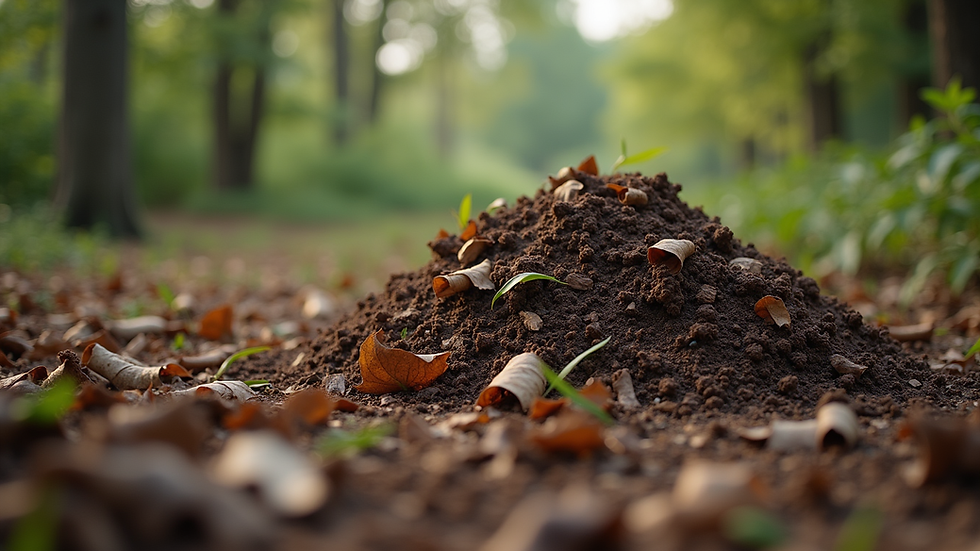
Composting is nature’s way of recycling. When organic materials like food scraps and leaves break down, they create compost - a dark, crumbly substance full of nutrients. This compost improves soil health, helps plants grow, and reduces the need for chemical fertilizers.
To start, you need a compost bin or pile. You can buy a bin or make one yourself from wood pallets or wire mesh. Place it in a convenient spot with good drainage and some shade. The key is to balance “greens” and “browns”:
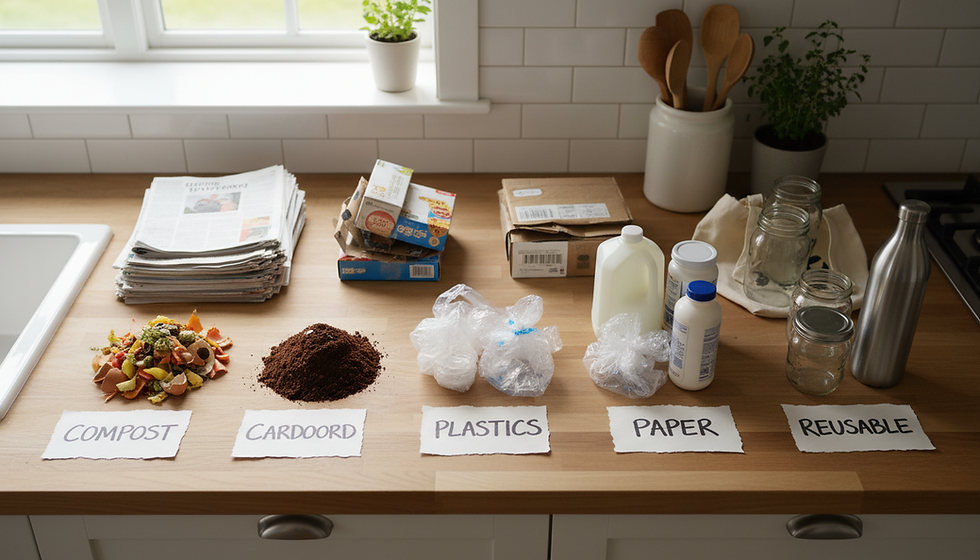
Greens: kitchen scraps like fruit and vegetable peels, coffee grounds, and fresh grass clippings.
Browns: dry leaves, straw, shredded paper, and cardboard.
Mixing these materials helps create the right environment for microbes to break down the waste.

Beginner Composting Techniques You Can Use Today
Once you have your bin, here are some beginner composting techniques to keep your pile healthy and active:
Chop or shred materials: Smaller pieces break down faster. Cut up vegetable scraps and shred leaves before adding them.
Layer your compost: Start with a layer of browns, then add greens, and repeat. This layering helps air circulate.
Keep it moist: Compost should feel like a damp sponge. Water it if it’s dry, but don’t soak it.
Turn the pile regularly: Use a garden fork or shovel to mix the compost every week or two. This adds oxygen and speeds decomposition.
Avoid compacting: Don’t press down the pile too much. Air is essential for the microbes to thrive.
By following these simple steps, you’ll see your compost pile shrink and transform into rich soil in a few months.
What Three Items Should Not Be Placed in a Compost Pile?
Knowing what not to compost is just as important as knowing what to add. Some items can cause problems like bad odors, pests, or slow decomposition. Here are three things to avoid:
Meat, fish, and dairy products: These attract rodents and create strong odors.
Oils and fats: They don’t break down well and can also attract pests.
Diseased plants or weeds with seeds: These can spread disease or unwanted plants in your garden.
Avoiding these keeps your compost healthy and safe.
Tips for Composting in Small Spaces
Not everyone has a large yard for composting. If you live in an apartment or have limited outdoor space, don’t worry. You can still compost effectively with these tips:
Use a small compost bin or a worm composting system (vermicomposting) indoors.
Collect kitchen scraps in a sealed container and empty it into your compost bin regularly.
Try bokashi composting, a fermentation method that works well indoors and handles all food waste, including meat and dairy.
Place your compost bin on a balcony or patio where it gets some air but is protected from extreme weather.
These methods make composting for beginners at home easy and accessible.
How to Use Your Finished Compost
After a few months, your compost will turn dark, crumbly, and smell earthy. This means it’s ready to use. Here’s how to make the most of it:
Mix it into garden soil: Add compost to flower beds, vegetable gardens, or lawn soil to improve texture and fertility.
Use as mulch: Spread a layer around plants to retain moisture and suppress weeds.
Potting mix: Combine compost with sand and peat moss for healthy container plants.
Top dressing: Sprinkle compost on your lawn to feed grass naturally.
Using your compost this way closes the loop, turning waste into nourishment for your plants.
Growing a Greener Future with Composting
Composting is more than just a gardening practice. It’s a step toward a sustainable lifestyle. By reducing waste and enriching soil, you help lower greenhouse gas emissions and support healthy ecosystems. Every small effort counts.
If you want to dive deeper, check out resources on composting for beginners at home to find tailored advice and community support. Remember, composting is a journey. Start simple, stay consistent, and enjoy the process of turning scraps into soil.
Together, we can build a greener planet, one compost pile at a time.


Comments