
Starting Composting: A Simple Guide for Beginners

Composting is a fantastic way to reduce waste, enrich your garden soil, and contribute positively to the environment. If you are new to this eco-friendly practice, starting composting might seem complicated. However, with the right guidance, anyone can turn kitchen scraps and yard waste into nutrient-rich compost. This guide will walk you through the basics and help you get started with confidence.
Why Starting Composting is a Great Idea
Composting is more than just a way to dispose of organic waste. It transforms food scraps, leaves, and other biodegradable materials into a valuable soil amendment. This process helps reduce landfill waste, lowers greenhouse gas emissions, and improves soil health.
Some benefits of composting include:
Reducing household waste by up to 30%
Improving soil structure and fertility
Enhancing water retention in garden soil
Supporting beneficial microorganisms that promote plant growth
By starting composting, you contribute to a sustainable lifestyle and create a natural fertilizer that can help your plants thrive.
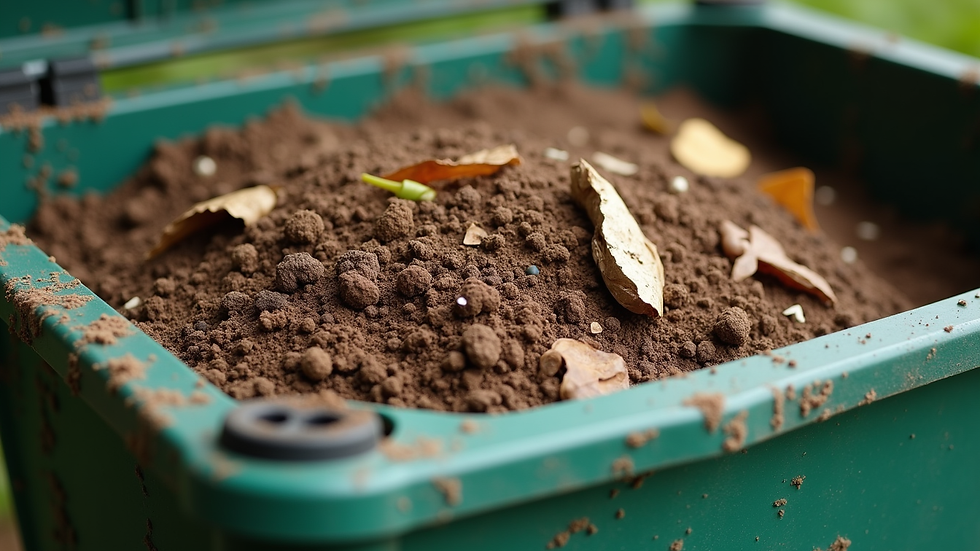
Essential Tips for Starting Composting Successfully
Starting composting is easier than you might think. Here are some practical tips to help you begin:
Choose the right compost bin: You can use a simple pile, a homemade bin, or a commercial compost tumbler. The size depends on your available space and the amount of waste you generate.
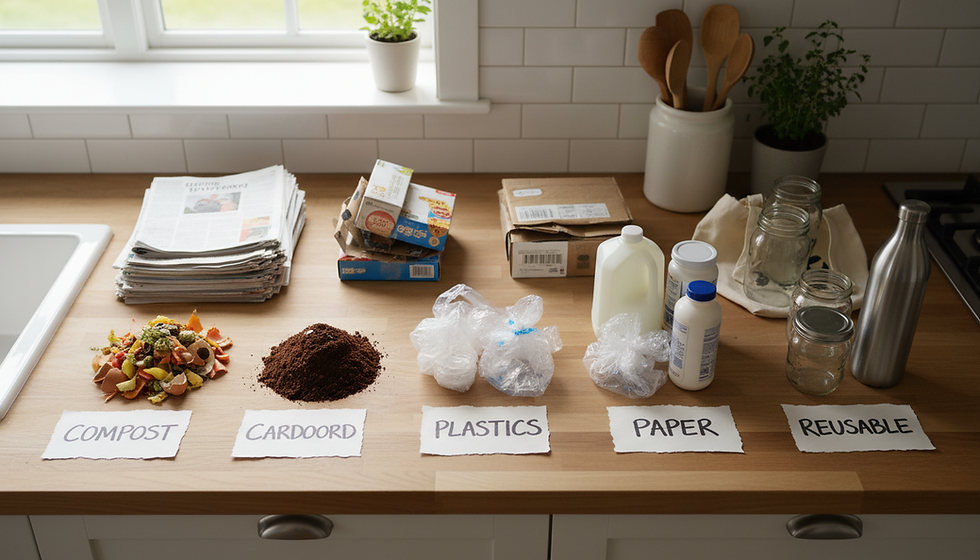
Balance green and brown materials: Greens are nitrogen-rich items like vegetable scraps, coffee grounds, and grass clippings. Browns are carbon-rich materials such as dry leaves, cardboard, and paper. Aim for a ratio of about 2 parts brown to 1 part green.
Keep the pile moist but not soggy: Composting microbes need moisture to work effectively. Water your pile occasionally if it becomes dry.
Turn the pile regularly: Aerating the compost by turning it every 1-2 weeks speeds up decomposition and prevents odors.
Avoid adding meat, dairy, and oily foods: These can attract pests and slow down the composting process.
By following these tips, you can create a healthy environment for decomposition and produce rich compost faster.
How do beginners start composting?
If you are wondering how to get started, here is a simple step-by-step plan:
Select a composting spot: Find a dry, shaded area near your garden or kitchen for easy access.
Set up your compost bin or pile: Place your bin on bare soil to allow worms and microbes to enter.
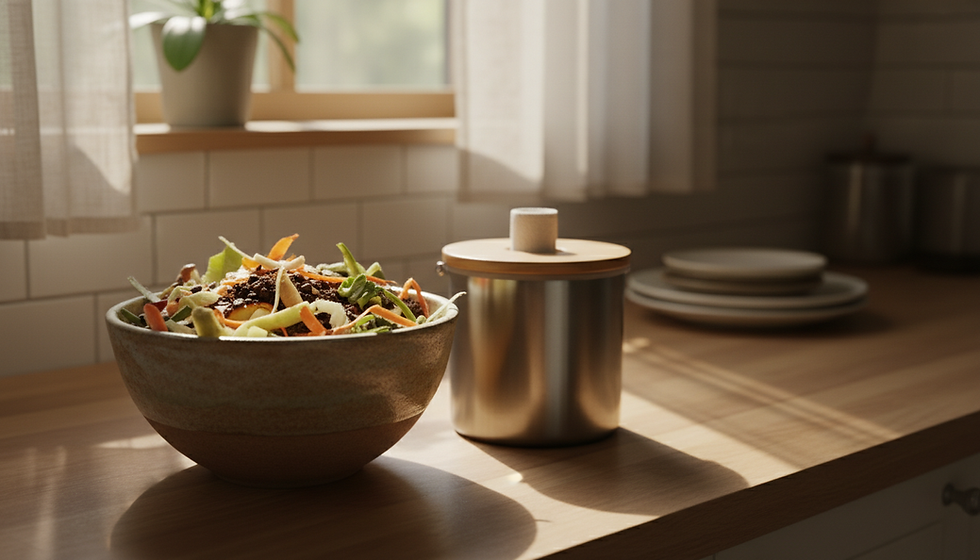
Start collecting materials: Use a kitchen caddy to gather fruit and vegetable scraps, eggshells, coffee grounds, and tea bags.
Add brown materials: Layer dry leaves, shredded paper, or straw to balance the greens.
Maintain your compost: Turn the pile every week and monitor moisture levels.
Harvest your compost: After a few months, the compost will look dark and crumbly. Use it to enrich your garden beds or potted plants.
Remember, patience is key. Composting is a natural process that takes time but rewards you with nutrient-rich soil.

Common Mistakes to Avoid When Starting Composting
Beginners often make mistakes that can slow down or spoil the composting process. Here are some pitfalls to watch out for:
Adding too much green material: This can make the pile smell and become slimy.
Not turning the pile: Without aeration, the compost can become anaerobic and smelly.
Ignoring moisture levels: Too dry or too wet conditions hinder decomposition.
Using inappropriate materials: Avoid meat, dairy, pet waste, and diseased plants.
Starting with a very small pile: Composting works best with a minimum volume of about 3 feet by 3 feet.
By avoiding these errors, you can keep your compost healthy and productive.
Using Your Finished Compost Effectively
Once your compost is ready, it’s time to put it to good use. Here are some ways to use your homemade compost:
Mix it into garden beds: Improve soil texture and fertility by mixing compost into flower beds, vegetable gardens, or lawns.
Top-dress plants: Spread a thin layer around trees, shrubs, and perennials to provide nutrients.
Make potting mix: Combine compost with sand and peat moss for container gardening.
Create compost tea: Steep compost in water to make a nutrient-rich liquid fertilizer.
Using compost regularly will help your plants grow stronger and healthier while reducing the need for chemical fertilizers.
Starting composting is a rewarding and environmentally friendly habit. With a little effort and patience, you can turn everyday waste into a valuable resource for your garden. For more detailed guidance, check out this helpful resource on composting for beginners.
Happy composting!

Comments