
Metal Kitchen Compost Bin Benefits and Kitchen Compost Bin Uses

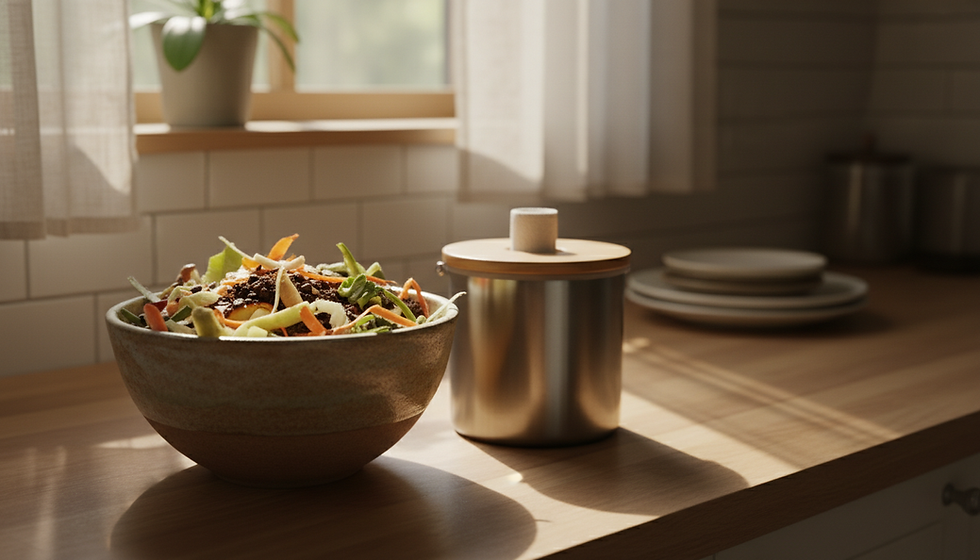
Composting at home has become a popular way to reduce waste and create nutrient-rich soil for gardening. One essential tool for this eco-friendly practice is a kitchen compost bin. Among the various options available, metal kitchen compost bins stand out for their durability and practicality. This article explores the benefits of using a metal kitchen compost bin and highlights various kitchen compost bin uses to help you make an informed choice for your home.
Understanding Kitchen Compost Bin Uses
Kitchen compost bins are designed to collect organic waste such as fruit and vegetable scraps, coffee grounds, eggshells, and other biodegradable materials. These bins make it easy to separate compostable waste from regular trash, reducing landfill contributions and promoting sustainable living.
Some common kitchen compost bin uses include:
Collecting food scraps: Keeping food waste in a dedicated bin prevents odors and mess in your kitchen.
Storing compost materials: The bin holds scraps until you are ready to transfer them to an outdoor compost pile or municipal composting system.
Encouraging composting habits: Having a convenient bin encourages consistent composting, making it easier to reduce waste.
Reducing plastic bag use: Many kitchen compost bins are designed to be used without disposable liners, cutting down on plastic waste.
By understanding these uses, you can better appreciate the role a kitchen compost bin plays in a sustainable household.

Benefits of Using a Metal Kitchen Compost Bin
Choosing the right compost bin can make a significant difference in your composting experience. Metal kitchen compost bins offer several advantages over plastic or ceramic alternatives:
1. Durability and Longevity
Metal bins are highly durable and resistant to cracking or breaking. They can withstand daily use and last for many years without showing signs of wear. This makes them a cost-effective investment for long-term composting.
2. Odor Control
Many metal compost bins come with tight-fitting lids and built-in charcoal filters that help control odors. The metal construction also prevents the absorption of smells, unlike plastic bins that can retain odors over time.
3. Easy to Clean
Metal surfaces are smooth and non-porous, making them easy to clean and sanitize. This helps maintain hygiene in your kitchen and prevents the buildup of bacteria or mold.
4. Pest Resistance
Metal bins are less likely to be chewed through by pests such as rodents or insects. This keeps your compost safe and contained, especially if you store the bin outdoors or in a garage before transferring the contents.
5. Aesthetic Appeal
Metal bins often have a sleek, modern look that complements kitchen decor. They come in various finishes such as stainless steel, copper, or painted metal, allowing you to choose a style that fits your kitchen’s design.
6. Environmental Impact
Metal bins are often made from recyclable materials and can be recycled at the end of their life cycle. This aligns with the eco-friendly goals of composting by reducing waste and promoting sustainability.
Are Metal Compost Bins Good?
When considering whether metal compost bins are good, it is important to weigh their pros and cons in the context of your specific needs.
Advantages
Robust construction: Metal bins are sturdy and less prone to damage.
Odor management: Many models include charcoal filters that absorb smells effectively.
Hygienic: Easy to clean and less likely to harbor bacteria.
Pest-proof: Resistant to damage from animals and insects.
Potential Drawbacks
Weight: Metal bins can be heavier than plastic, which might be a consideration for some users.
Cost: They tend to be more expensive upfront compared to plastic bins.
Temperature sensitivity: Metal can become hot or cold depending on the environment, which might affect composting speed if used outdoors.
Overall, metal compost bins are a good choice for kitchen use due to their durability, odor control, and ease of maintenance. They are especially suitable for households looking for a long-lasting and hygienic composting solution.

Practical Tips for Using Your Kitchen Compost Bin
To maximize the benefits of your kitchen compost bin, consider the following practical tips:
1. Choose the Right Location
Place your compost bin in a convenient spot in your kitchen, such as under the sink or on the countertop. This encourages regular use and makes it easy to add scraps throughout the day.
2. Use a Charcoal Filter
If your bin supports it, use a charcoal filter to reduce odors. Replace the filter every few months to maintain freshness.
3. Avoid Adding Non-Compostable Items
Only add compostable materials such as fruit and vegetable scraps, coffee grounds, tea bags, and eggshells. Avoid meat, dairy, and oily foods that can cause odors and attract pests.
4. Empty Regularly
Empty your kitchen compost bin into your outdoor compost pile or municipal composting system regularly to prevent overflow and odors.
5. Clean the Bin Frequently
Wash your bin with warm, soapy water every few weeks to keep it clean and odor-free.
6. Consider Compostable Liners
If you prefer, use compostable liners to make emptying easier. Avoid plastic liners as they are not biodegradable.
Enhancing Your Composting Routine with a Metal Kitchen Compost Bin
Incorporating a metal kitchen compost bin into your daily routine can make composting easier and more efficient. Here are some ways to enhance your composting experience:
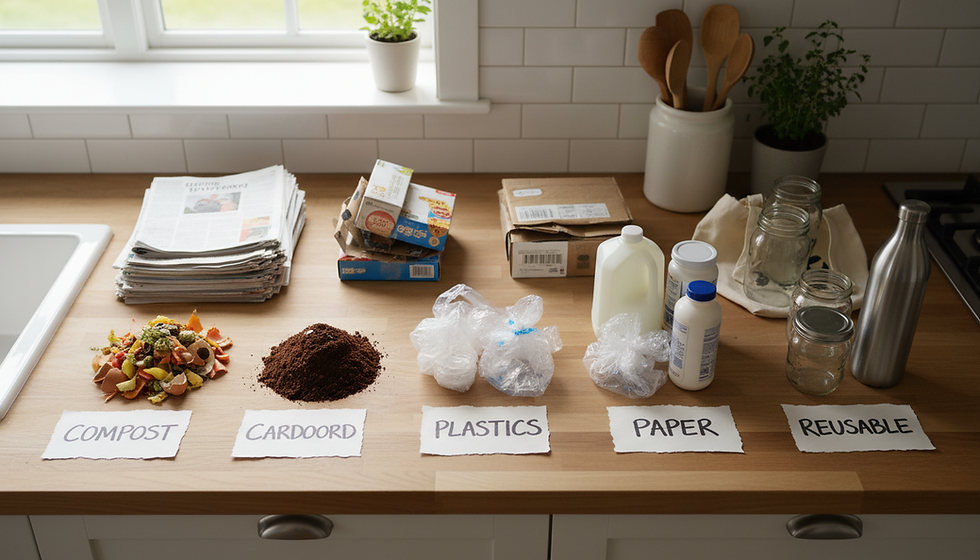
Label your bin: Use a clear label to remind household members what can and cannot go into the bin.
Educate family members: Share composting tips with everyone in your home to ensure consistent use.
Combine with outdoor composting: Use the kitchen bin as a temporary storage before transferring scraps to a larger outdoor compost system.
Track your waste reduction: Monitor how much waste you divert from the landfill to stay motivated.
By following these steps, you can turn composting into a simple and rewarding habit.
Choosing a metal kitchen compost bin is a smart way to support sustainable living while keeping your kitchen clean and odor-free. Its durability, ease of cleaning, and pest resistance make it an excellent choice for anyone serious about composting. Whether you are a beginner or an experienced composter, a metal bin can enhance your composting routine and contribute to a healthier environment.

Comments