
How to Start Composting in Your Business with Courage and Community Support

Starting composting in your business might sound like a wild idea, but trust me, it’s one of the boldest moves you can make for the planet and your workplace vibe. It’s not about fear or guilt; it’s about courage, curiosity, and a willingness to shake things up. I’ve been there, wondering how to even begin, and I’m here to share what works, what to expect, and how to get your team on board without turning it into a chore.

Finding Your Composting Approach
The first step is figuring out what kind of composting system fits your business. There’s no one-size-fits-all here. You could:
Set up multiple indoor compost bins for food scraps and coffee grounds.
Have a large outdoor compost bin if you have some green space.
Partner with a community garden nearby that accepts compost donations.
Invest in an electric compost spinner that speeds up the process and fits inside your business.
Each option has its perks. Indoor bins keep composting visible and easy for employees to participate in daily. Outdoor bins handle larger volumes but need space and some maintenance. Community gardens can take the load off your shoulders and build local connections. Electric composters are a bit of a splurge but turn waste into soil quickly and with less fuss.
What Can Employees Compost?
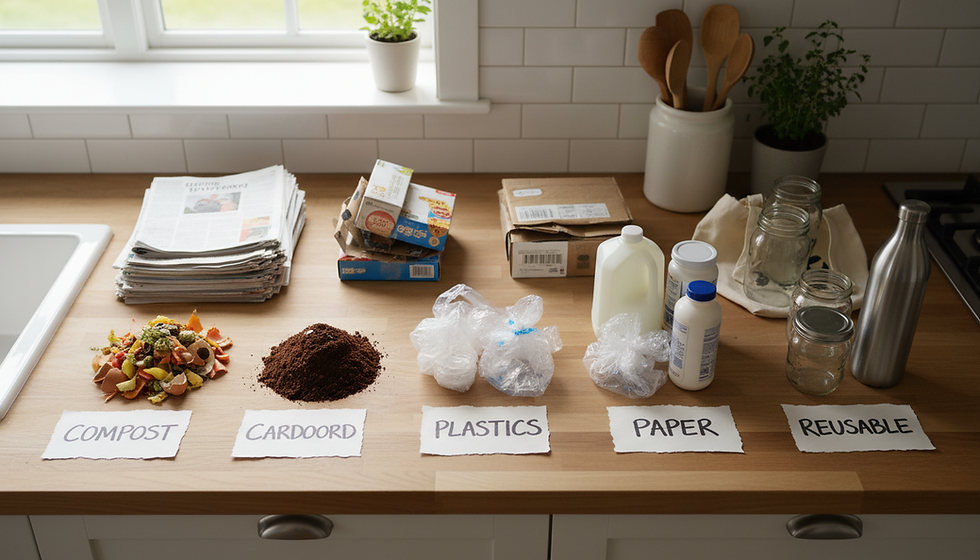
One question I get a lot is, “What food scraps can we compost without turning the office into a science experiment?” The answer is pretty simple: most fruit and vegetable scraps, coffee grounds, eggshells, and even paper napkins. Avoid meat, dairy, and oily foods because they attract pests and smell funky.
To keep things smooth, I created educational materials and quick lessons for my team. This helped everyone understand what’s allowed and why composting matters. I also made sure to hire or involve people who already knew how to compost or were excited to learn. That enthusiasm spreads fast and makes the whole process feel less like a task and more like a movement.
Building a Composting Culture
Starting composting isn’t just about bins and scraps; it’s about shifting mindset. It takes courage to do things differently, especially in a business setting where routines rule. But when you approach composting with gratitude for the food we waste and a real desire to reduce trash, it changes everything.
I noticed that when more businesses start composting, it sparks a chain reaction. Employees bring those habits home, customers ask questions, and suddenly composting becomes part of the community’s rhythm. It’s like planting a seed that grows beyond your walls.

Practical Tips to Get Started
Here’s what worked for me and can help you avoid common pitfalls:
Start small: Begin with one or two compost bins and expand as interest grows.
Clear signage: Use simple, colorful signs to show what can and can’t go in the compost.
Assign compost champions: Have a few enthusiastic employees oversee the process and keep bins clean.
Regular pickups or maintenance: Whether you’re using a community garden or outdoor bins, schedule regular compost pickups or turnings.
Celebrate progress: Share milestones with your team, like how much waste you diverted from the landfill.
If you’re curious about electric composters, they’re a game-changer for businesses with limited space. These machines break down waste in days, turning it into usable soil quickly. They cost more upfront but save time and reduce odors.
Composting Creates a Ripple Effect
When your business commits to composting, you’re doing more than reducing trash. You’re creating an energetic shift in how people think about waste and resources. It’s about respect for the earth and the food that nourishes us. That mindset spreads, influencing other parts of life and society.
Imagine a world where composting is as normal as recycling. More businesses, schools, and homes composting means less landfill waste, healthier soil, and a stronger connection to nature. It starts with your courage to try something different and your willingness to build community support.



Comments