
How to Reduce Waste in Your Everyday Life

Reducing waste in daily life is a powerful way to protect the environment and save resources. Small changes in habits can lead to significant impacts over time. This guide offers practical steps to help you minimize waste, save money, and live more sustainably.
Simple Ways to Reduce Waste at Home
One of the easiest places to start reducing waste is in your own home. Begin by assessing what you throw away regularly. Common waste items include food scraps, packaging, and single-use products.
Plan your meals to avoid buying excess food that might spoil.
Use reusable containers for storing leftovers instead of disposable plastic wrap.
Switch to bulk buying for staples like rice, beans, and nuts to reduce packaging waste.
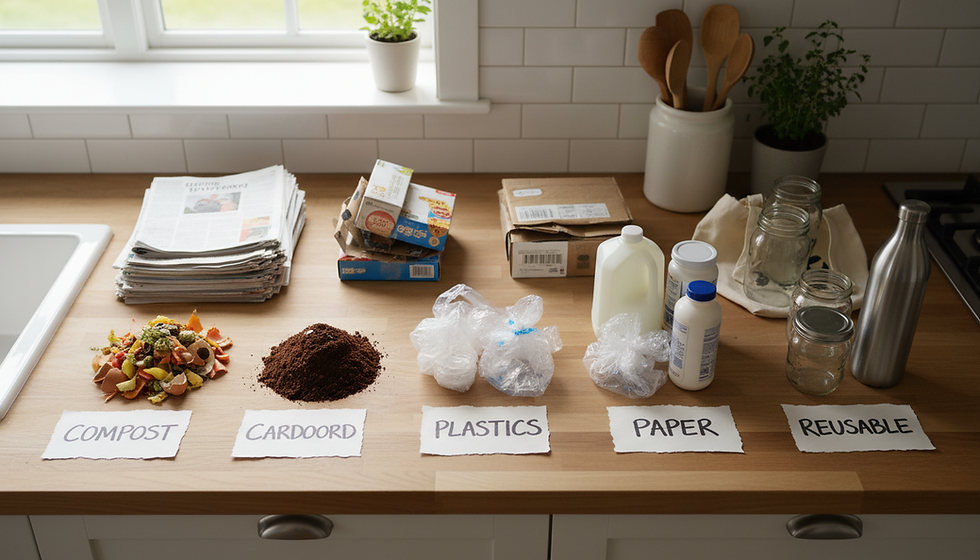
Compost food scraps to turn organic waste into nutrient-rich soil for plants.
By making these small adjustments, you can significantly cut down on household waste.

Reusable containers help reduce plastic waste in the kitchen.
How to Reduce Waste When Shopping
Shopping habits greatly influence the amount of waste generated. To reduce waste while shopping, consider these tips:
Bring your own reusable shopping bags instead of using plastic ones.
Choose products with minimal or recyclable packaging.
Buy second-hand items when possible, such as clothes, furniture, or electronics.
Avoid single-use items like disposable cutlery, straws, and water bottles by carrying your own alternatives.
These actions not only reduce waste but also encourage companies to adopt more sustainable packaging practices.

Using reusable bags helps cut down on plastic waste.
Sustainable Lifestyle Tips for Everyday Waste Reduction
Incorporating sustainable lifestyle tips into your routine can make waste reduction easier and more effective. For example, switching to energy-efficient appliances reduces waste related to energy production. Choosing durable, repairable products over disposable ones extends their life and reduces landfill contributions.
Additionally, supporting local markets and farmers reduces packaging waste and transportation emissions. Engaging in community swap events or repair cafes can also help you reuse items and avoid unnecessary purchases.

Shopping at local markets reduces packaging waste and supports sustainable living.
Reducing Waste in the Office and Workplace
Waste reduction is not limited to home life. Offices and workplaces generate a lot of waste, but many strategies can help reduce it:
Use digital documents instead of printing whenever possible.
Set printers to double-sided printing to save paper.
Provide reusable mugs and utensils in break rooms.
Encourage employees to bring lunch in reusable containers.
Set up clearly labeled recycling bins for paper, plastics, and metals.
Implementing these changes can create a culture of sustainability and reduce the environmental footprint of your workplace.
Creative Ways to Repurpose and Reuse Items
Before throwing things away, consider if they can be repurposed or reused. This not only reduces waste but also sparks creativity.
Turn old jars into storage containers or plant pots.
Use worn-out clothes as cleaning rags or craft materials.
Convert cardboard boxes into organizers or kids’ toys.
Donate items that are still usable to charities or thrift stores.
By thinking twice before discarding items, you contribute to a circular economy and reduce landfill waste.
Taking Small Steps for a Big Impact
Reducing waste is a journey that starts with small, manageable steps. Focus on one area at a time, whether it’s your kitchen, shopping habits, or workplace. Track your progress and celebrate successes to stay motivated.
Remember, every effort counts. By adopting these practical tips, you help conserve resources, reduce pollution, and create a healthier planet for future generations. Start today and inspire others to join you in living a waste-conscious life.


Comments