
Everyday Habits to Reduce Your Environmental Footprint

In today's world, being aware of our environmental footprint is more important than ever. Small actions can lead to significant changes, helping to protect our planet. By adopting everyday habits that reduce our impact on the Earth, we can contribute to a healthier, more sustainable future. Here are some practical, everyday habits that anyone can incorporate into their routine.
Understanding Your Environmental Footprint
Your environmental footprint refers to the total impact your lifestyle has on the environment. It includes the resources you consume, the waste you produce, and the carbon emissions you generate. According to the Global Footprint Network, humans are currently using resources at a rate that requires 1.7 Earths to sustain. This alarming figure highlights the necessity for individuals to reassess their habits.
One of the easiest ways to start understanding your footprint is to calculate it. Numerous online tools can help you determine how your lifestyle choices influence your environmental impact. This can range from your home energy consumption to your spending habits. Armed with this knowledge, you can make informed decisions to reduce your footprint.

Simple Changes to Your Daily Routine
Forming sustainable habits begins at home. Tiny changes can lead to big impacts over time. Here are some actionable tips to reduce your environmental footprint:
Energy Efficiency
One of the most effective ways to lower your environmental footprint is by conserving energy. Here are some easy energy-saving tips:
Switch to LED bulbs: They use up to 80% less energy than traditional incandescent bulbs and last much longer.
Unplug devices: Many electronic devices consume energy even when they are turned off. Unplugging chargers and appliances when not in use can save energy.
Use smart power strips: These automatically cut off power to devices that are not in use, preventing energy waste.

Reduce Water Use
Water conservation is crucial. Here are a few easy ways to reduce water waste:
Fix leaks promptly: A dripping faucet can waste a significant amount of water over time.
Take shorter showers: Reducing your shower time by just a few minutes can save gallons of water daily.
Install low-flow fixtures: These reduce water usage without sacrificing performance.
Waste Management
Managing waste is essential in reducing your environmental footprint. Here are some straightforward practices:
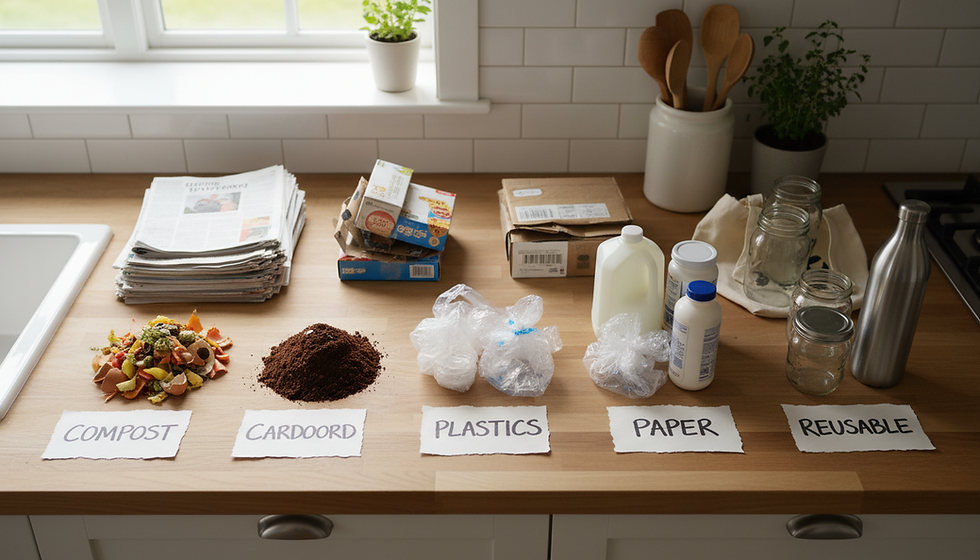
Practice recycling: Familiarize yourself with your local recycling guidelines. Properly sorting your materials helps to ensure they are processed correctly.
Compost organic waste: Create a compost bin for leftover food scraps and yard waste. This not only reduces landfill waste but also enriches the soil.
Choose reusable products: Use reusable bags, bottles, and containers to minimize single-use plastic. Avoiding disposable items goes a long way towards reducing waste.

Sustainable Transportation Options
Transportation significantly contributes to our carbon emissions. Here are alternatives to consider:
Walk or bike: For short distances, consider walking or biking instead of driving. It’s not only better for the environment but also beneficial for your health.
Public transport: Utilize buses, trains, or subways whenever possible. Public transportation reduces the number of cars on the road, which leads to decreased emissions.
Carpool: Share rides with friends or co-workers to reduce the number of vehicles on the road.
Mindful Consumption Choices
Another way to lower your environmental footprint is by being conscious of your purchasing decisions. Here are some tips:
Support local businesses: Buying from local farmers or markets reduces transportation emissions and supports your community.
Choose sustainably sourced products: Look for items made from renewable resources or those that are certified eco-friendly.
Opt for second-hand: Thrift stores, consignment shops, and online marketplaces offer a treasure trove of pre-loved items. This practice minimizes waste and saves money.
Integrating these practices into your shopping habits can also help foster a more sustainable lifestyle. These sustainable lifestyle tips can make a noticeable difference in your overall impact on the environment.
Engaging Your Community
Collective action can amplify individual efforts. Here are ways to engage with your community:
Participate in local clean-up events: Join or organize clean-up initiatives to help maintain public spaces.
Educate others: Share your knowledge on reducing environmental footprints through workshops or social media.
Advocate for policy changes: Engage with local government to support environmental regulations and initiatives.
By encouraging friends and family to participate in sustainable practices, you contribute to a broader cultural shift towards environmental mindfulness.
A Path Towards a Sustainable Future
By practicing these everyday habits, anyone can reduce their environmental footprint. The benefits are twofold: not only will you contribute to a healthier planet, but you'll also inspire others to adopt similar practices. Leading a conscious lifestyle is a journey—every small change adds up.
When you take the time to be mindful of your consumption, waste, and energy use, you’re playing a crucial role in preserving the Earth for future generations. So take action today, and embrace a more sustainable way of living!


Comments