
Effective Ways to Minimize Plastic Usage and Protect Our Planet

Plastic pollution is one of the most pressing environmental challenges today. Every year, millions of tons of plastic waste end up in oceans, landfills, and natural habitats, causing harm to wildlife and ecosystems. The good news is that there are many practical ways to minimize plastic usage in our daily lives. By adopting simple habits and making informed choices, we can all contribute to a cleaner, healthier planet.
Practical Tips to Minimize Plastic Usage in Everyday Life
Reducing plastic consumption starts with small, manageable changes. Here are some effective strategies to help you minimize plastic usage:
Use reusable bags: Instead of single-use plastic bags, carry cloth or sturdy reusable bags when shopping. Keep a few in your car or backpack so you never forget them.
Choose products with minimal packaging: Opt for items packaged in paper, glass, or cardboard rather than plastic. Buying in bulk can also reduce the amount of packaging waste.
Bring your own containers: When ordering takeout or buying food, use your own containers or jars. Many stores and restaurants now welcome customers who bring reusable containers.
Avoid single-use plastics: Say no to plastic straws, cutlery, and cups. Carry a reusable water bottle and utensils to avoid disposable items.
Switch to bar soap and shampoo bars: These products often come with little or no plastic packaging and last longer than liquid alternatives.
By incorporating these habits, you can significantly cut down on plastic waste generated in your household.

How to Minimize Plastic Usage in the Workplace and Community
Minimizing plastic usage is not limited to home life. Workplaces and communities can also play a vital role:
Encourage reusable office supplies: Use refillable pens, refill paper, and avoid plastic binders or folders.
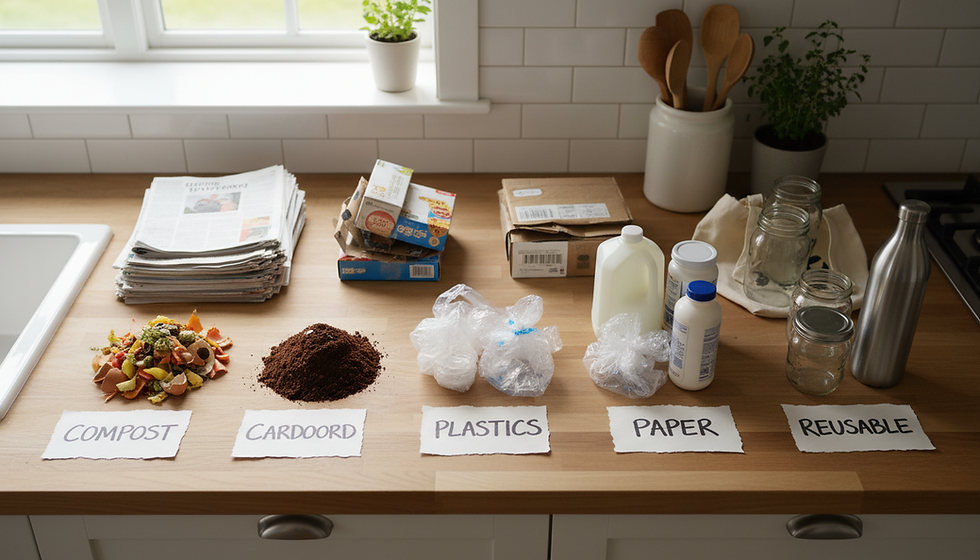
Implement recycling programs: Set up clearly labeled recycling bins and educate employees or community members about proper recycling practices.
Host plastic-free events: Organize meetings or gatherings with zero single-use plastics by providing reusable cups, plates, and utensils.
Support local businesses with sustainable practices: Choose vendors who prioritize eco-friendly packaging and products.
Promote awareness campaigns: Share information about the impact of plastic pollution and ways to reduce plastic usage through newsletters, posters, or social media.
These collective efforts can create a culture of sustainability and inspire others to join the movement.

What is the US Doing to Reduce Plastic Waste?
The United States has taken several steps to address plastic pollution at federal, state, and local levels. Some key initiatives include:
Plastic bag bans and fees: Many states and cities have implemented bans or fees on single-use plastic bags to discourage their use.
Extended Producer Responsibility (EPR) laws: These laws require manufacturers to take responsibility for the entire lifecycle of their plastic products, including collection and recycling.
Investment in recycling infrastructure: Federal funding has been allocated to improve recycling facilities and develop new technologies to process plastic waste more efficiently.
Public education campaigns: Government agencies and nonprofits collaborate to raise awareness about plastic pollution and promote sustainable alternatives.
Support for innovation: Grants and incentives encourage businesses to develop biodegradable plastics and other eco-friendly materials.
While progress is ongoing, these efforts demonstrate a growing commitment to tackling plastic pollution nationwide.
Innovative Alternatives to Plastic Products
Switching to alternatives can drastically reduce plastic consumption. Here are some popular options:
Biodegradable and compostable materials: Products made from cornstarch, bamboo, or sugarcane break down naturally and reduce landfill waste.
Glass and stainless steel containers: Durable and reusable, these materials are excellent substitutes for plastic food storage and drinkware.
Beeswax wraps: A sustainable alternative to plastic wrap for covering food.
Cloth produce bags: Replace plastic produce bags with lightweight, washable cloth versions.
Refill stations: Many stores now offer refill stations for cleaning products, shampoos, and detergents, allowing customers to reuse containers.
Adopting these alternatives not only reduces plastic waste but also supports a circular economy.
How You Can Support Efforts to Reduce Plastic Waste
Everyone can play a role in supporting broader initiatives to reduce plastic pollution:
Stay informed: Follow reliable sources and organizations dedicated to environmental protection.
Advocate for policy change: Contact local representatives to support legislation aimed at reducing plastic waste.
Participate in clean-up events: Join community efforts to remove plastic litter from parks, beaches, and waterways.
Support sustainable brands: Choose companies committed to reducing plastic packaging and using eco-friendly materials.
Educate others: Share your knowledge and encourage friends and family to adopt plastic-reducing habits.
By taking these actions, you contribute to a global movement toward a plastic-free future.
For more detailed information and resources on how to reduce plastic waste, visit the EcoCulturr blog.
Taking steps to minimize plastic usage is essential for protecting our environment and future generations. By making conscious choices and supporting sustainable practices, we can all help create a cleaner, healthier world.


Comments