
Composting at Home Made Easy: Home Composting Basics

Composting is a simple and effective way to reduce waste and create nutrient-rich soil for your garden. By turning kitchen scraps and yard waste into compost, you can help the environment and improve your plants' health. This guide will walk you through the home composting basics and provide practical tips to get started quickly and easily.
Understanding Home Composting Basics
Composting is the natural process of recycling organic material, such as food scraps and yard waste, into a dark, rich soil amendment called humus. This process involves microorganisms breaking down the material over time. To start composting at home, you need to understand the key components:
Green materials: These are nitrogen-rich items like vegetable scraps, coffee grounds, and grass clippings.
Brown materials: These are carbon-rich items such as dry leaves, cardboard, and paper.
Air: Oxygen is essential for aerobic decomposition.
Moisture: The compost pile should be damp but not soggy.
Balancing these elements helps speed up decomposition and prevents odors. A good rule of thumb is to mix roughly three parts brown materials to one part green materials.

Setting Up Your Compost Bin
Choosing the right compost bin is crucial for success. You can buy a ready-made bin or build your own from wood pallets or wire mesh. Location matters too - place your bin in a well-drained, shaded spot with easy access.
Here are some tips for setting up your compost bin:
Start with a layer of coarse materials like small branches or straw to help with airflow.
Add alternating layers of greens and browns to maintain balance.
Turn the pile regularly (every 1-2 weeks) to aerate and speed up decomposition.
Keep the pile moist by watering it if it becomes dry.
If you live in an apartment or have limited space, consider a worm composting bin (vermicomposting) which uses worms to break down food scraps quickly and odorlessly.
What is the Laziest Way to Compost?
If you want to compost but don’t want to spend much time managing it, there are easy methods that require minimal effort:
Trench composting: Dig a hole in your garden, bury kitchen scraps, and cover them with soil. The scraps decompose underground and enrich the soil directly.
Compost tumblers: These are enclosed bins that you can spin to mix the compost easily. They reduce the need for manual turning.
Pile and forget: Simply pile your organic waste in a corner of your yard and let nature take its course. This method takes longer but requires almost no maintenance.
These lazy methods are perfect for beginners or those with busy schedules who still want to benefit from composting.

What Can and Cannot Be Composted?
Knowing what to add to your compost pile is essential to avoid pests and bad smells. Here’s a quick guide:
Compostable Items:
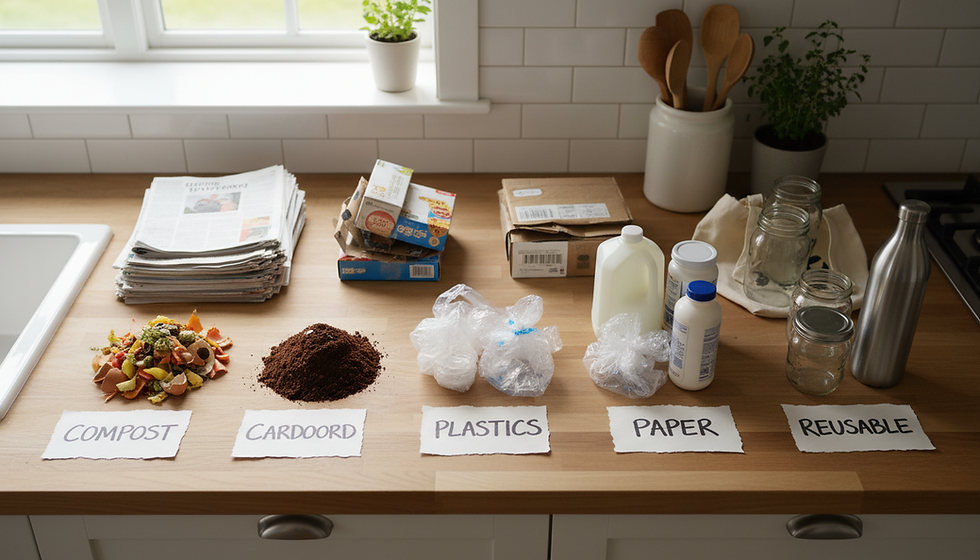
Fruit and vegetable scraps
Coffee grounds and filters
Eggshells (crushed)
Grass clippings and leaves
Shredded newspaper and cardboard
Tea bags (without synthetic materials)
Items to Avoid:
Meat, fish, and dairy products (attract pests)
Oils and fats
Diseased plants
Pet waste
Synthetic materials like plastics
By sticking to compost-friendly materials, you ensure a healthy, odor-free compost pile.
Tips for Successful Composting at Home
To make your composting experience enjoyable and effective, keep these tips in mind:
Chop or shred materials before adding them to speed up decomposition.
Maintain the right moisture level - think of a wrung-out sponge.
Turn the pile regularly to provide oxygen.
Add garden soil or finished compost to introduce beneficial microbes.
Use a compost thermometer to monitor temperature; ideal compost heats up to 130-160°F.
By following these simple steps, you’ll produce rich compost in a few months that can be used to nourish your garden.
Using Your Finished Compost
Once your compost looks dark, crumbly, and smells earthy, it’s ready to use. Here are some ways to apply it:
Mix it into garden beds to improve soil structure and fertility.
Use it as mulch around plants to retain moisture and suppress weeds.
Add it to potting mixes for container plants.
Topdress your lawn to promote healthy grass growth.
Finished compost is a natural fertilizer that supports sustainable gardening and reduces the need for chemical inputs.
Composting at home is a rewarding practice that benefits both your garden and the environment. By understanding the basics and choosing a method that fits your lifestyle, you can easily turn waste into valuable soil amendment. Start small, stay consistent, and enjoy the process of creating your own compost!
For more detailed guidance and resources, check out this helpful composting at home link.



Comments