
Creating a Composting Guide: The Ultimate Composting Guide

Composting is a simple and effective way to reduce waste and enrich your garden soil. By turning organic materials like food scraps and yard waste into nutrient-rich compost, you can improve plant health and reduce the need for chemical fertilizers. This guide will walk you through everything you need to know about composting, from the basics to common mistakes and practical tips for success.
Understanding the Basics of Creating a Composting Guide
Composting is the natural process of breaking down organic matter into humus, a dark, crumbly substance that is excellent for soil. The key ingredients for composting are carbon-rich materials (browns) and nitrogen-rich materials (greens). Browns include dry leaves, straw, and cardboard, while greens include vegetable scraps, coffee grounds, and grass clippings.
To start composting, you need a designated space or bin where you can layer these materials. The ideal compost pile should be moist but not soggy, and it should be turned regularly to provide oxygen to the microorganisms that break down the waste.
Steps to start composting:
Choose a compost bin or create a pile in your backyard.
Add a balanced mix of browns and greens.
Keep the pile moist, like a wrung-out sponge.
Turn the pile every 1-2 weeks to aerate it.
Wait for the compost to mature, which can take 2-6 months.
By following these steps, you can create nutrient-rich compost that will boost your garden’s productivity.
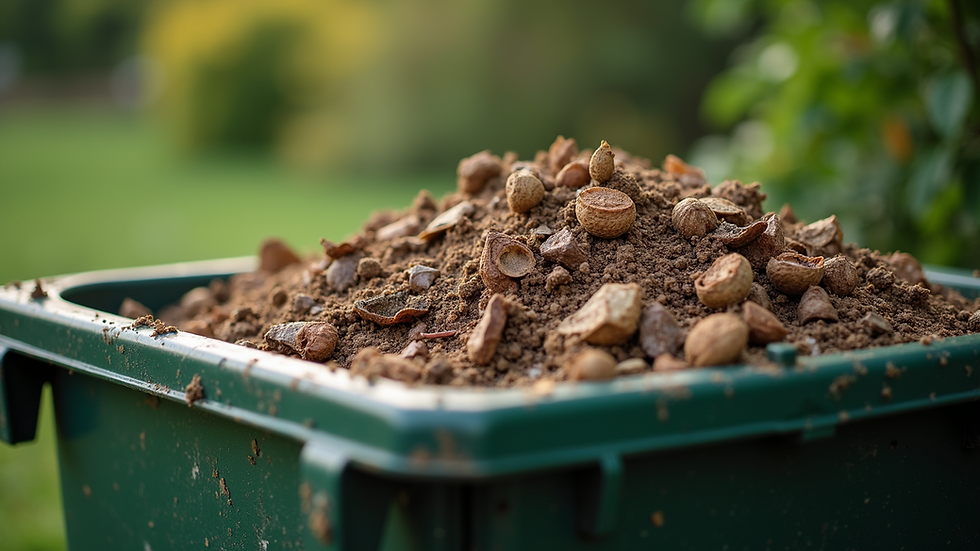
Tips for Creating a Composting Guide That Works for You
Every composting setup is unique, so it’s important to tailor your approach to your space and needs. Here are some practical tips to help you succeed:
Choose the right compost bin: There are many options, from simple piles to tumblers and enclosed bins. Tumblers speed up the process by making turning easier.
Chop materials into smaller pieces: Smaller pieces decompose faster, speeding up the composting process.
Avoid adding meat, dairy, or oily foods: These can attract pests and cause odors.
Monitor moisture levels: If your compost is too dry, add water. If it’s too wet, add more browns.
Use finished compost wisely: Mix it into garden beds, use it as mulch, or add it to potting soil.
By adjusting these factors, you can create a composting system that fits your lifestyle and garden.
What are two mistakes that we should avoid when we prepare compost?
When preparing compost, avoiding common mistakes can save you time and frustration. Two major errors to watch out for are:
Ignoring the balance of greens and browns: Too many greens (nitrogen-rich materials) can make your pile smell bad and become slimy. Too many browns (carbon-rich materials) slow down decomposition. Aim for a ratio of about 3 parts browns to 1 part greens.
Not turning the compost regularly: Without aeration, the pile becomes anaerobic, leading to unpleasant odors and slower breakdown. Turning the pile every couple of weeks keeps oxygen flowing and speeds up composting.
Avoiding these mistakes will help you maintain a healthy, odor-free compost pile that breaks down efficiently.
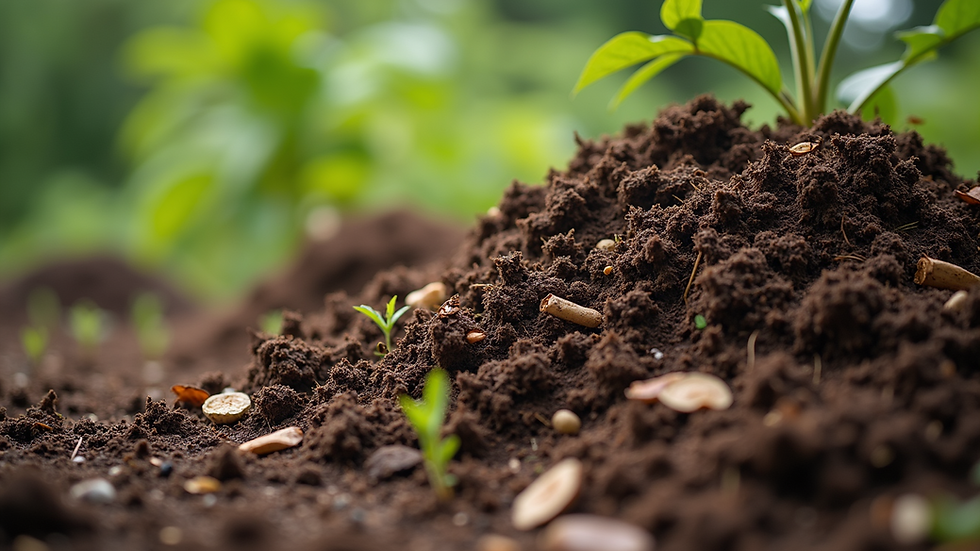
How to Use Your Finished Compost Effectively
Once your compost is dark, crumbly, and earthy-smelling, it’s ready to use. Here are some ways to make the most of your homemade compost:
Soil amendment: Mix compost into garden beds to improve soil structure, water retention, and nutrient content.
Mulch: Spread a layer of compost around plants to suppress weeds and retain moisture.
Potting mix: Combine compost with sand and peat moss to create a nutrient-rich potting soil.
Lawn top dressing: Spread a thin layer of compost over your lawn to promote healthy grass growth.
Using compost regularly can reduce your need for chemical fertilizers and promote a healthier, more sustainable garden.
Advanced Composting Techniques to Explore
If you want to take your composting to the next level, consider these advanced methods:
Vermicomposting: Using worms to break down organic waste quickly in a controlled environment. This method produces high-quality worm castings.
Hot composting: Maintaining a high temperature (130-160°F) in your pile to kill pathogens and weed seeds, speeding up decomposition.
Compost tea: Brewing a liquid fertilizer from compost to spray on plants for added nutrients and disease resistance.
These techniques require more attention but can yield superior compost and additional gardening benefits.
For those interested in a detailed composting guide, this resource offers comprehensive information and tips to help you master the art of composting.
Keep Your Composting Journey Going Strong
Composting is a rewarding process that benefits your garden and the environment. By understanding the basics, avoiding common mistakes, and experimenting with different techniques, you can create a thriving compost system. Remember to be patient - composting takes time, but the results are worth it. Keep learning, adjusting, and enjoying the benefits of your homemade compost for years to come.

Comments