
Easy Beginner Composting Tips for a Greener Home

Starting composting can seem overwhelming, but it is a simple and rewarding way to reduce waste and enrich your garden soil. With just a few basic tools and some patience, anyone can turn kitchen scraps and yard waste into nutrient-rich compost. This guide will walk you through easy beginner composting tips to help you get started on your eco-friendly journey.
Simple Beginner Composting Tips to Get You Started
Composting is nature’s way of recycling organic material. When you compost, you create a healthy environment for microorganisms to break down food scraps, leaves, and other biodegradable materials into dark, crumbly soil called humus. This humus improves soil structure, retains moisture, and provides essential nutrients for plants.
To begin composting, you need three main ingredients:
Greens: Nitrogen-rich materials like fruit and vegetable scraps, coffee grounds, and fresh grass clippings.
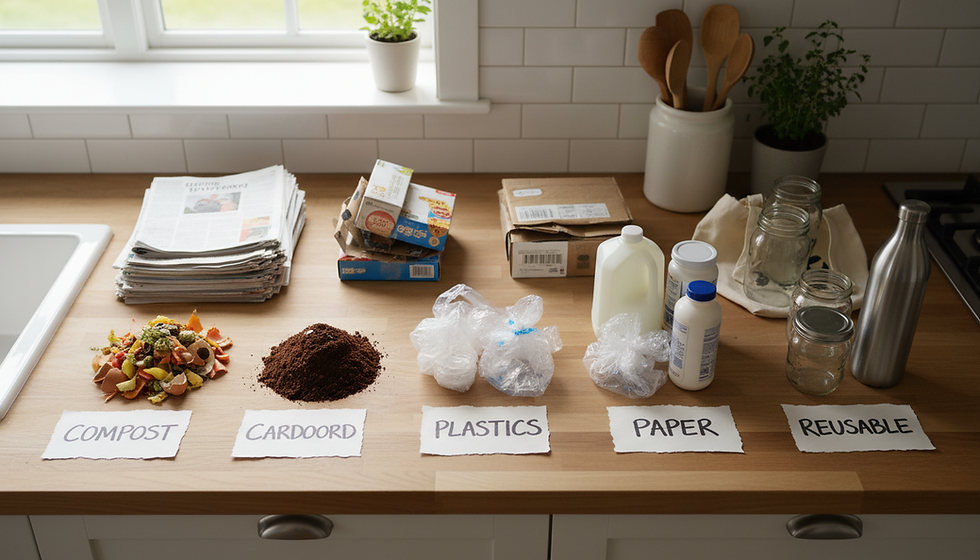
Browns: Carbon-rich materials such as dry leaves, straw, cardboard, and paper.
Water: Moisture to help microbes thrive.
Start by choosing a compost bin or pile location in your yard. It should be a well-drained spot with some shade to prevent the pile from drying out. You can buy a compost bin or make one yourself using wood pallets or wire mesh.
Next, layer your greens and browns in roughly equal amounts. For example, add a layer of vegetable scraps followed by a layer of dry leaves. Keep the pile moist but not soggy, similar to a wrung-out sponge. Turn the pile every week or two to aerate it and speed up decomposition.

How to Maintain Your Compost Pile for Best Results
Maintaining your compost pile properly ensures it breaks down quickly and produces high-quality compost. Here are some practical tips:
Turn regularly: Use a garden fork or compost aerator to mix the pile every 1-2 weeks. This introduces oxygen, which is essential for aerobic bacteria.
Monitor moisture: If the pile is too dry, add water or fresh greens. If it’s too wet and smells bad, add more browns like dry leaves or shredded paper.
Chop materials: Smaller pieces decompose faster. Chop or shred large scraps before adding them.
Avoid pests: Do not add meat, dairy, oily foods, or pet waste, as these attract unwanted animals and create odors.
Use a compost thermometer: If you want to be precise, keep the pile temperature between 130-160°F to kill pathogens and weed seeds.
By following these steps, your compost pile should heat up within a few days and start breaking down efficiently. In 2-3 months, you can expect rich, dark compost ready to nourish your garden.
Do and Don'ts of Composting?
Knowing what to add and what to avoid is crucial for successful composting. Here’s a quick list of do’s and don’ts:
Do:
Add a balanced mix of greens and browns.
Chop or shred large materials.
Keep the pile moist and aerated.
Use finished compost in your garden beds or pots.
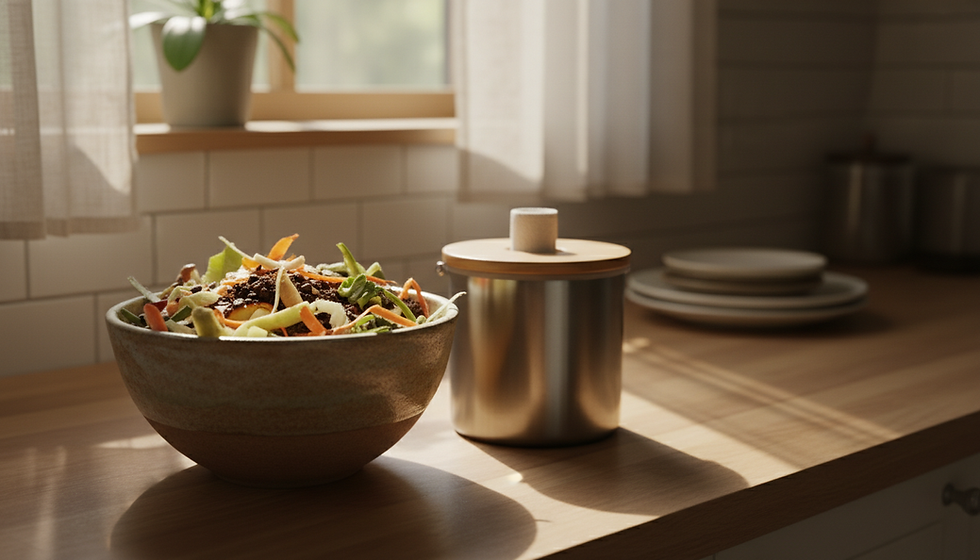
Collect kitchen scraps in a small container to reduce trips to the compost bin.
Don’t:
Add meat, dairy, or oily foods.
Compost diseased plants or weeds with seeds.
Overwater the pile, causing it to become soggy.
Use pet waste or chemically treated wood.
Ignore unpleasant smells; they usually indicate poor aeration or too much moisture.
Following these guidelines will help you avoid common pitfalls and keep your compost healthy and productive.

How to Use Finished Compost in Your Garden
Once your compost looks dark, crumbly, and smells earthy, it’s ready to use. Here are some ways to incorporate it into your garden:
Soil amendment: Mix compost into garden beds to improve soil texture and fertility.
Mulch: Spread a layer around plants to retain moisture and suppress weeds.
Potting mix: Combine compost with sand and peat moss for container plants.
Lawn top dressing: Spread a thin layer over your lawn to boost grass growth.
Seed starting: Use fine compost mixed with sand as a seed-starting medium.
Using compost regularly reduces the need for chemical fertilizers and promotes healthy plant growth. It also helps your garden retain water, which is especially beneficial in dry climates.
Tips for Composting in Small Spaces or Apartments
If you live in an apartment or have limited outdoor space, composting is still possible with a few adjustments:
Use a worm bin (vermicomposting): Red wiggler worms can break down kitchen scraps quickly in a small indoor bin.
Try bokashi composting: This anaerobic fermentation method uses special bran to pre-compost food waste indoors.
Compost in containers: Use sealed compost bins on balconies or patios to control odors and pests.
Community composting: Check if your neighborhood has a community garden or compost drop-off site.
These methods allow you to recycle organic waste without a large yard, making composting accessible to everyone.
For more detailed composting tips, check out trusted resources that provide step-by-step guidance and troubleshooting advice.
Keep Growing Your Composting Skills
Composting is a rewarding practice that benefits your garden and the environment. As you gain experience, you can experiment with different materials, composting methods, and uses for your finished compost. Remember, patience and consistency are key. Soon, you will enjoy the satisfaction of turning waste into black gold that helps your plants thrive.
Start small, stay curious, and watch your compost pile transform your gardening routine!

Comments