
Beginner Composting Tips: Easy Ways to Start Composting at Home

Updated: Mar 6
Composting is a simple and effective way to reduce waste and create nutrient-rich soil for your garden. If you are new to composting, it might seem complicated at first, but with the right guidance, anyone can start turning kitchen scraps and yard waste into valuable compost. This guide will walk you through easy steps and practical advice to help you begin your composting journey successfully.
Beginner Composting Tips to Get You Started
Starting composting does not require fancy equipment or a large backyard. You can begin with just a small bin or pile in your garden or even use a container indoors. Here are some beginner composting tips to help you get going:
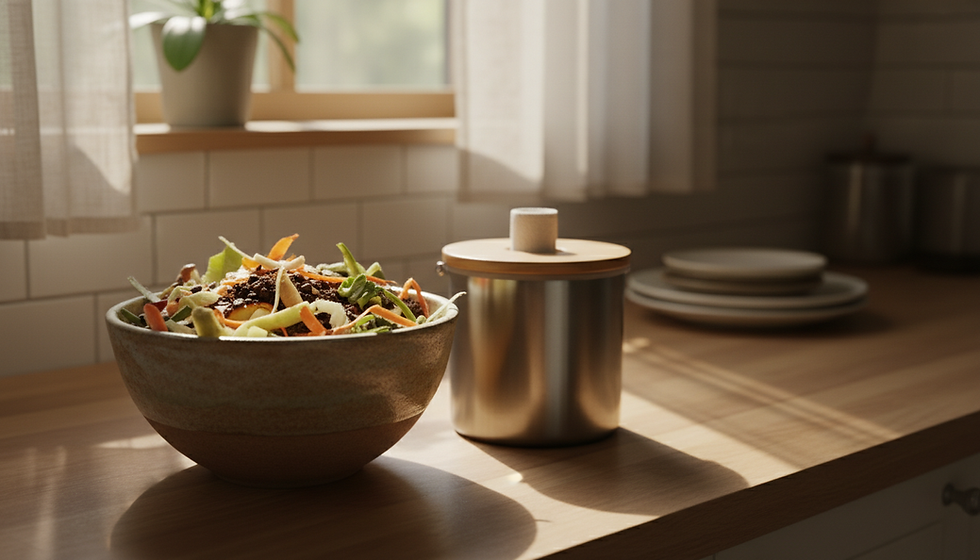
Choose the right compost bin: You can buy a compost bin or make one yourself using wood pallets or wire mesh. For small spaces, consider a countertop compost bin or a worm composting system (vermicomposting).
Pick a good location: Place your compost bin in a well-drained, shady spot that is easy to access.
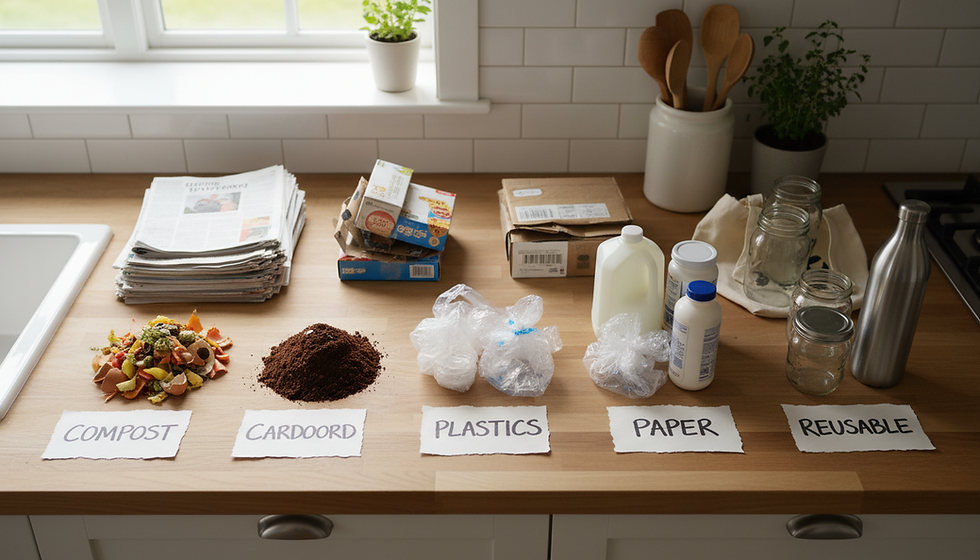
Balance green and brown materials: Greens are nitrogen-rich items like fruit scraps, vegetable peels, coffee grounds, and grass clippings. Browns are carbon-rich materials such as dry leaves, shredded paper, cardboard, and straw. Aim for a ratio of about 2 parts brown to 1 part green.
Chop or shred materials: Smaller pieces break down faster, so cut up large scraps before adding them to the pile.
Keep it moist but not soggy: Your compost should feel like a damp sponge. Water it occasionally if it becomes dry.
Turn the pile regularly: Aerate your compost by mixing it every 1-2 weeks to speed up decomposition and prevent odors.
By following these simple steps, you will create a healthy environment for microbes and worms that break down organic matter into rich compost.

Compost bin with a mix of green and brown materials ready for decomposition
How to Maintain Your Compost Pile
Maintaining your compost pile is key to producing high-quality compost quickly. Here are some practical tips to keep your compost healthy and active:
Monitor temperature: A hot compost pile (between 130°F and 160°F) breaks down materials faster and kills weed seeds. Use a compost thermometer to check the temperature.
Add water as needed: If the pile feels dry, sprinkle water to maintain moisture. Avoid overwatering, which can cause bad smells.
Turn the pile often: Aeration helps microbes thrive. Use a pitchfork or compost aerator to mix the pile.
Avoid adding certain items: Meat, dairy, oily foods, and pet waste can attract pests and cause odors. Stick to plant-based scraps and yard waste.
Add finished compost to your garden: When the compost looks dark, crumbly, and smells earthy, it is ready to use. Mix it into garden beds or use it as mulch.
Regular attention will ensure your compost pile stays balanced and productive.
Do and don'ts of composting?
Knowing what to do and what to avoid can save you time and frustration. Here are some essential do’s and don’ts for composting beginners:
Do:
Do chop materials into smaller pieces to speed up decomposition.
Do maintain a good balance of greens and browns to keep the pile healthy.
Do turn the pile regularly to provide oxygen.
Do keep the pile moist but not waterlogged.
Do use finished compost to enrich your soil and plants.
Don’t:
Don’t add meat, dairy, or oily foods as they attract pests.
Don’t add diseased plants or weeds with seeds to avoid spreading problems.
Don’t let the pile dry out completely or it will stop decomposing.
Don’t ignore bad smells - they usually mean the pile is too wet or lacks oxygen.
Don’t add pet waste to avoid harmful pathogens.
Following these guidelines will help you avoid common mistakes and keep your compost pile healthy.

Balanced compost pile with brown leaves and green kitchen scraps
Common Composting Problems and How to Fix Them
Even with the best intentions, composting can sometimes present challenges. Here are some common problems and simple solutions:
Bad odors: Usually caused by too much moisture or lack of air. Turn the pile and add dry brown materials like leaves or shredded paper.
Pile not heating up: Add more green materials and turn the pile to increase oxygen. Make sure the pile is large enough (at least 3 feet wide and tall).
Pests or rodents: Avoid adding meat or dairy. Use a closed bin or cover the pile with a layer of brown materials.
Slow decomposition: Chop materials smaller, maintain moisture, and turn the pile regularly.
Pile too dry: Water the pile lightly and cover it to retain moisture.
By troubleshooting these issues early, you can keep your composting process smooth and efficient.
Using Your Finished Compost Effectively
Once your compost is ready, it can be a valuable resource for your garden. Here are some ways to use finished compost:
Soil amendment: Mix compost into garden beds to improve soil structure, water retention, and nutrient content.
Mulch: Spread compost around plants to suppress weeds and retain moisture.
Potting mix: Combine compost with sand and peat moss to create a nutrient-rich potting soil.
Lawn top dressing: Spread a thin layer of compost over your lawn to promote healthy grass growth.
Seed starting: Use compost as part of a seed-starting mix to give seedlings a nutrient boost.
Using compost regularly will help your plants thrive and reduce the need for chemical fertilizers.
Starting composting is easier than you might think. With these beginner composting tips, you can turn everyday waste into a valuable resource for your garden. Remember to balance your materials, keep your pile moist and aerated, and avoid common mistakes. Soon, you will enjoy the benefits of rich, homemade compost that supports healthy plants and a sustainable lifestyle.
For more detailed composting tips and resources, check out this helpful guide to deepen your composting knowledge. Happy composting!

Comments