
Beginner Compost Kits: Composting Starter Kit Essentials

Starting a composting journey can be both exciting and rewarding. Composting helps reduce waste, enriches your garden soil, and supports a healthier environment. However, knowing what you need to get started can be overwhelming. This guide will walk you through the essential items and tips for setting up your own compost system with beginner compost kits.
What to Look for in Beginner Compost Kits
When choosing a beginner compost kit, it’s important to consider the size, type, and materials included. A good kit should provide everything you need to start composting right away without requiring additional purchases.
Size: Choose a compost bin that fits your available space. Small bins are perfect for apartments or small yards, while larger bins suit bigger gardens.
Material: Compost bins come in plastic, metal, or wood. Plastic bins are lightweight and affordable, metal bins are durable, and wooden bins blend naturally into garden settings.
Ventilation: Proper airflow is crucial for composting. Look for bins with vents or holes to allow oxygen to circulate.
Ease of Use: Beginner kits often include tools like a compost aerator or a scoop, which make turning and managing compost easier.
Many beginner compost kits also come with detailed instructions and guides, which are helpful for those new to composting.

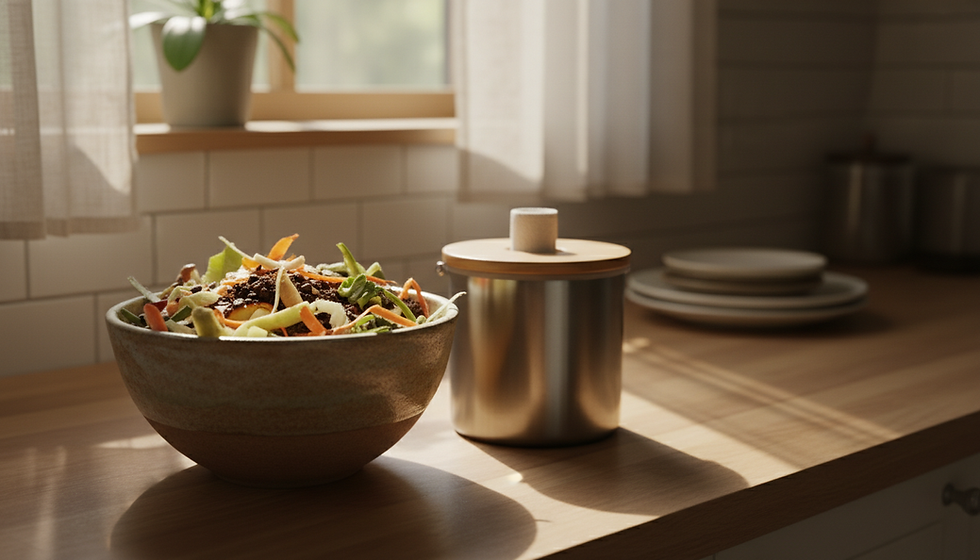
Compact compost bin ideal for small spaces
Essential Tools and Materials for Composting
To get started, you will need a few basic tools and materials beyond the compost bin itself. These items help maintain the compost pile and speed up the decomposition process.
Compost Thermometer: Measures the temperature inside the pile to ensure it’s hot enough for effective composting.
Garden Fork or Aerator: Used to turn the compost, which introduces oxygen and prevents odors.
Watering Can or Hose: Keeps the compost moist but not soggy.
Compostable Materials: A mix of “greens” (nitrogen-rich items like vegetable scraps, coffee grounds, and grass clippings) and “browns” (carbon-rich items like dry leaves, cardboard, and paper).
Balancing greens and browns is key. Too many greens can make the pile smell, while too many browns slow down decomposition.
Do You Really Need Compost Starter?
Compost starters are products designed to jumpstart the composting process by introducing beneficial microbes and enzymes. But are they necessary?
The truth is, you don’t always need a compost starter. Most compost piles will naturally attract microbes from the environment, especially if you have a good balance of greens and browns and maintain proper moisture and aeration.
However, compost starters can be helpful if:
You want to speed up the composting process.
Your compost pile is cold or slow to break down.
You are composting materials that are harder to decompose, like woody stems.
If you decide to use a starter, follow the instructions carefully and avoid overusing it, as too much can disrupt the natural balance.

Turning compost to aerate and speed decomposition
Setting Up Your Compost Bin: Step-by-Step
Once you have your beginner compost kit and tools, setting up your compost bin is straightforward. Follow these steps for a successful start:
Choose a Location: Pick a spot with good drainage and partial sunlight. Avoid placing the bin directly on concrete to allow worms and microbes to enter.
Prepare the Base: Start with a layer of coarse materials like twigs or straw to help with airflow.
Add Materials in Layers: Alternate between greens and browns. For example, start with a layer of dry leaves, then add vegetable scraps, then more leaves.
Maintain Moisture: The pile should be as damp as a wrung-out sponge. Water it if it feels dry.
Turn Regularly: Use your garden fork or aerator to mix the pile every 1-2 weeks. This helps oxygenate the compost and speeds up decomposition.
Monitor Temperature: Use a compost thermometer to check if the pile is heating up. Ideal temperatures range from 130°F to 160°F.
Following these steps will help you create nutrient-rich compost in a few months.
Tips for Troubleshooting Common Composting Problems
Even with the best beginner compost kits, you might encounter some challenges. Here are common issues and how to fix them:
Bad Odors: Usually caused by too many greens or lack of oxygen. Add more browns and turn the pile to aerate.
Pile Not Heating Up: Add more greens and water, and turn the pile to increase microbial activity.
Pests: Avoid adding meat, dairy, or oily foods. Use a bin with a secure lid and bury food scraps under browns.
Slow Decomposition: Chop materials into smaller pieces and maintain moisture and aeration.
By addressing these issues promptly, you can keep your compost healthy and productive.
Final Thoughts on Starting Your Composting Journey
Starting with a well-equipped beginner compost kit can make the process easier and more enjoyable. Remember, composting is a natural process that requires patience and care. With the right tools, materials, and knowledge, you’ll soon be turning kitchen scraps and yard waste into valuable soil for your garden.
For those ready to take the plunge, consider investing in a composting starter kit to get everything you need in one package. Happy composting!

Comments