
Apartment Composting Methods for Small Spaces: Urban Composting Techniques

Living in an apartment doesn’t mean you have to miss out on composting. In fact, urban composting techniques have made it easier than ever to turn your kitchen scraps into nutrient-rich soil, even if you have limited space. Composting is a fantastic way to reduce waste, lower your carbon footprint, and contribute to a healthier planet. I’m excited to share practical, easy-to-follow methods that fit perfectly into small apartments.
Why Urban Composting Techniques Matter
Urban composting techniques are designed to work in tight spaces and busy lifestyles. Unlike traditional compost piles in backyards, these methods focus on compact, odor-free, and manageable systems. Composting in an apartment helps reduce the amount of organic waste sent to landfills, which is a big win for the environment.
By composting at home, you also get to see the magic of decomposition firsthand. It’s rewarding to watch your food scraps transform into rich soil that can nourish plants or be donated to community gardens. Plus, it’s a simple way to practice sustainability daily.
Choosing the Right Composting System for Your Apartment
There are several urban composting techniques that work well indoors or on small balconies. Here are some popular options:
1. Worm Composting (Vermicomposting)
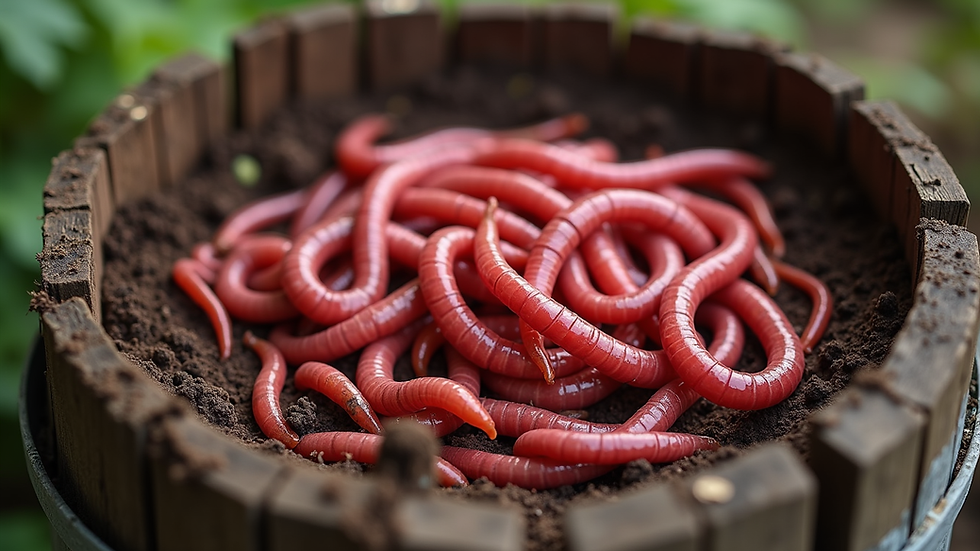
Worm composting uses red wiggler worms to break down food scraps quickly. This method is perfect for apartments because it’s compact and odorless when managed properly.
Setup: You’ll need a worm bin, which can be a plastic or wooden container with air holes.
What to compost: Fruit and vegetable scraps, coffee grounds, eggshells.
Avoid: Meat, dairy, oily foods.
Maintenance: Feed worms regularly, keep the bin moist but not wet, and harvest worm castings every few months.
2. Bokashi Composting
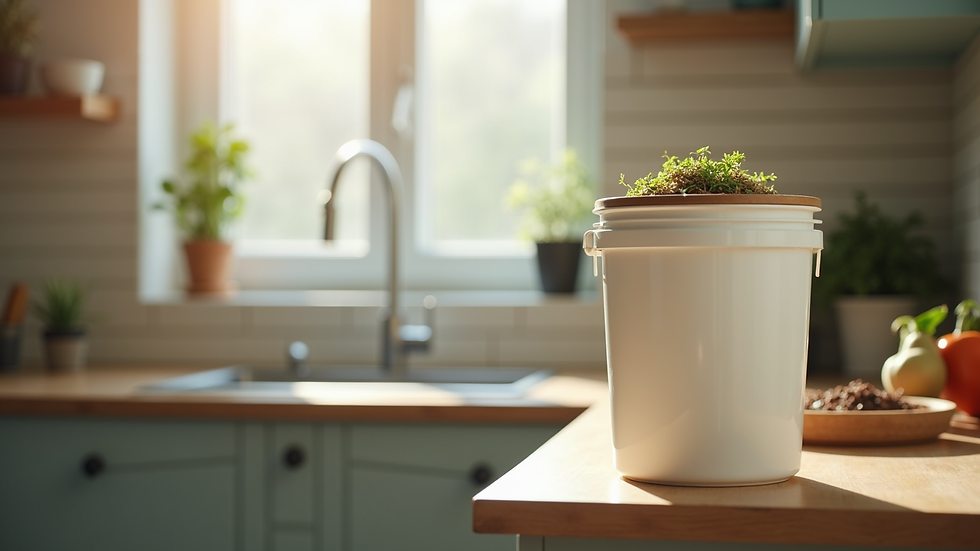
Bokashi is a fermentation process that uses special bran inoculated with beneficial microbes. It’s great for apartments because it’s sealed, so no smell escapes.
Setup: A Bokashi bucket with a tight lid.
What to compost: Almost all kitchen waste, including meat and dairy.
Process: Add scraps, sprinkle Bokashi bran, press down to remove air, and seal the lid.
After fermentation: Bury the fermented waste in soil or add it to a traditional compost bin.
3. Electric Composters
Electric composters are countertop appliances that speed up decomposition using heat and agitation.
Setup: Plug it in and add food scraps.
Benefits: Fast composting, minimal effort, no smell.
Considerations: They use electricity and can be pricier than other methods.
4. Traditional Compost Bin on a Balcony
If you have a small balcony, a compact compost bin can work well.
Setup: Use a small, ventilated bin with a lid.
Tips: Turn the compost regularly to aerate it and prevent odors.
What to compost: Fruit and vegetable scraps, coffee grounds, shredded paper.
How to Manage Composting in Small Spaces
Managing compost in an apartment requires a bit of planning but is very doable. Here are some tips to keep your compost healthy and your space fresh:
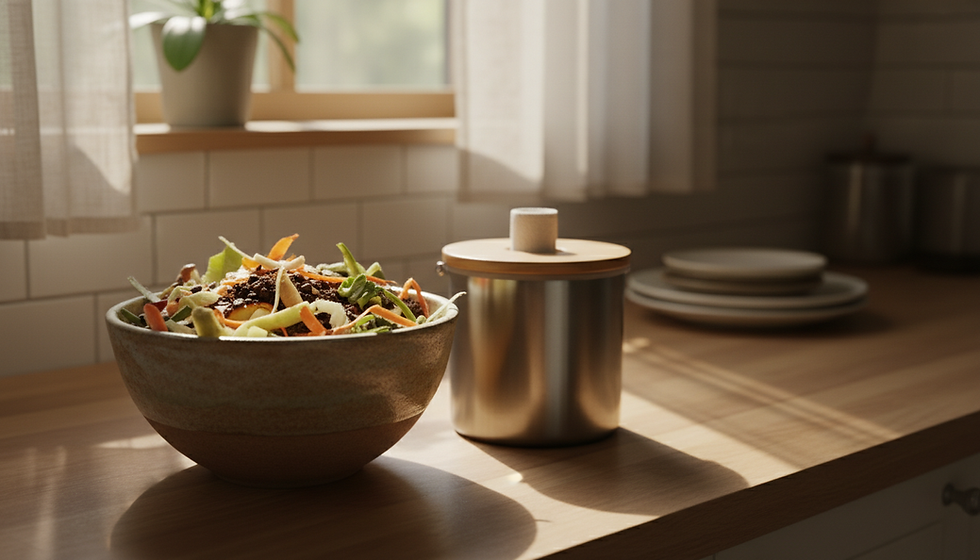
Use a kitchen scrap container: Keep a small container with a lid on your countertop to collect scraps. Empty it into your compost system daily.
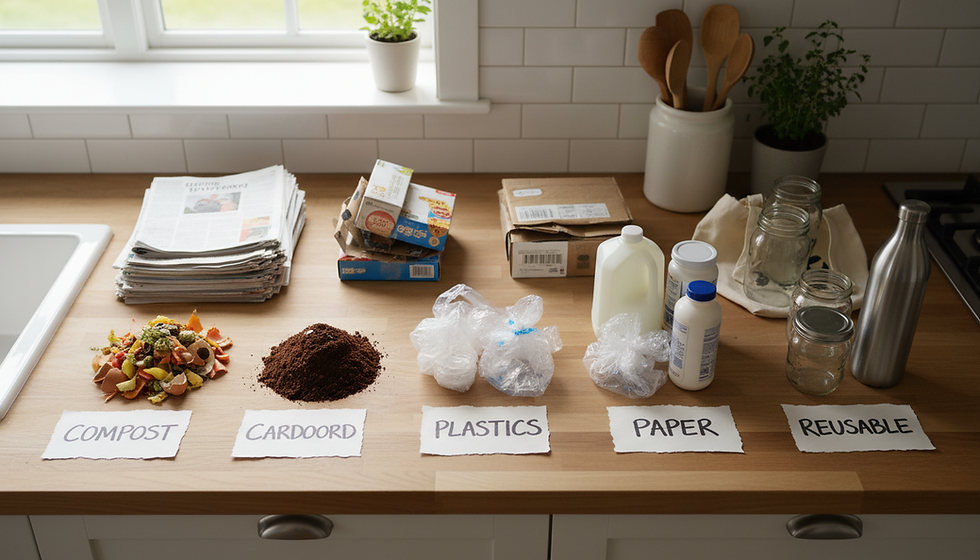
Balance green and brown materials: Greens are nitrogen-rich (fruit and veggie scraps), and browns are carbon-rich (paper, cardboard). A good mix prevents odors.
Keep it moist but not soggy: Compost needs moisture to break down but too much water causes smell.
Aerate regularly: Stir or turn your compost to add oxygen, which helps decomposition and reduces smell.
Avoid composting problematic items: Meat, dairy, oily foods, and pet waste can attract pests and cause odors.
Getting Started with Apartment Composting Methods
Starting composting in your apartment is easier than you might think. Here’s a simple step-by-step guide:
Choose your composting method: Pick one that fits your space and lifestyle.
Gather supplies: Depending on the method, you may need a worm bin, Bokashi bucket, or electric composter.
Set up your compost station: Find a convenient spot in your kitchen or balcony.
Start collecting scraps: Use a small container to gather food waste daily.
Add scraps to your compost system: Follow the specific instructions for your chosen method.
Maintain your compost: Monitor moisture, aerate, and feed worms or microbes as needed.
Harvest and use your compost: Once ready, use it for houseplants, balcony gardens, or donate to local green spaces.
If you want to explore more about apartment composting methods, this resource offers detailed insights and community support.
Making Composting a Sustainable Habit
Composting is not just a one-time project; it’s a lifestyle change. Here are some ways to keep your composting journey sustainable and enjoyable:
Educate yourself: Learn about what can and cannot be composted.
Involve others: Share your composting experience with friends or neighbors.
Stay consistent: Make composting part of your daily routine.
Celebrate progress: Notice how much waste you divert from the landfill.
Connect with community: Join local composting groups or online forums for support.
By adopting these urban composting techniques, you’re contributing to a greener planet and inspiring others to do the same. Every small effort counts, and together, we can make a big difference.
Your Next Steps Toward Greener Living
Now that you know how to compost in small spaces, it’s time to take action. Start with one method that feels right for you and watch your kitchen scraps turn into valuable soil. Remember, composting is a journey, and every step you take helps reduce waste and nurture the earth.
If you want to dive deeper, explore more resources, or connect with like-minded individuals, keep an eye on Eco Cultura’s updates. They are dedicated to making sustainable living easy and accessible for everyone.
Happy composting!

Comments