
10 Effective Steps to Reduce Trash and Support a Healthy Earth for All Life

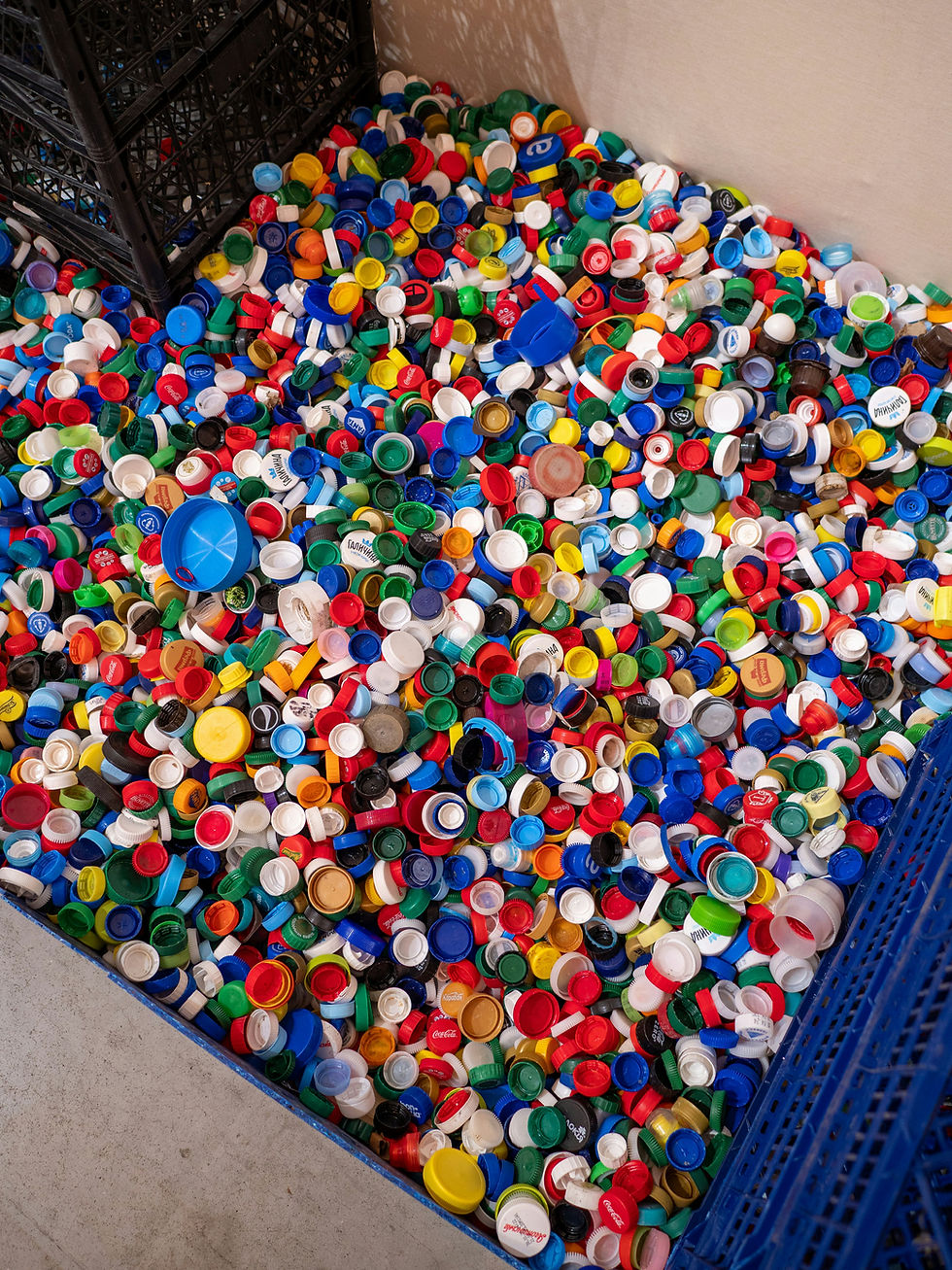
Trash is one of the biggest challenges facing our planet today. Every year, millions of tons of waste end up in landfills, oceans, and natural habitats, harming animals, plants, and even human health. Reducing trash is not just about keeping our surroundings clean; it’s about protecting the earth’s ability to provide a safe and healthy environment for all living beings. Taking simple, practical steps can make a big difference in fighting climate change and global warming while giving back to nature.
1. Start Composting at Home
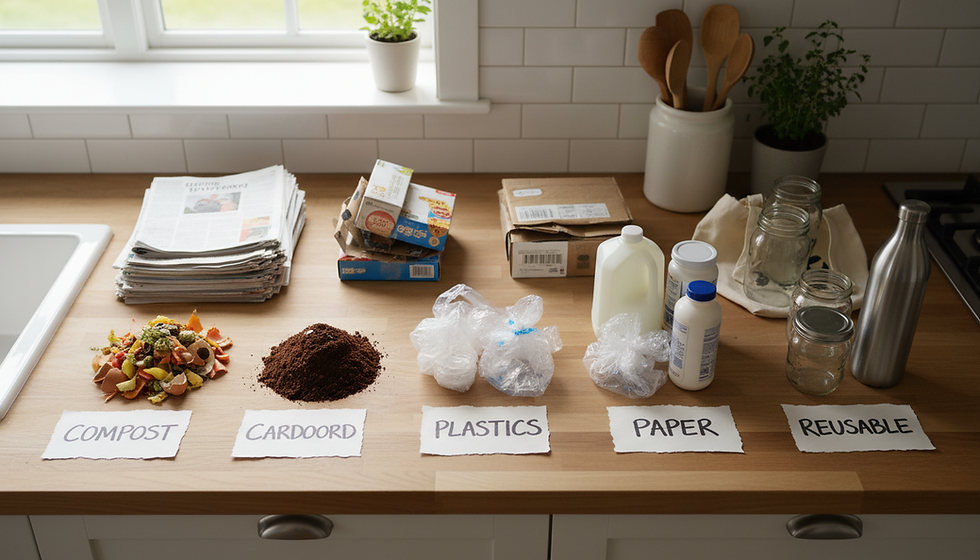
Composting turns food scraps and yard waste into nutrient-rich soil. This reduces the amount of trash sent to landfills, where organic waste produces methane, a potent greenhouse gas contributing to global warming. Composting supports soil health, helps plants grow, and reduces the need for chemical fertilizers.
Try setting up a small compost bin in your kitchen or backyard. Add vegetable peels, coffee grounds, eggshells, and leaves. Avoid meat, dairy, and oily foods. Over time, this simple habit can cut down your household trash significantly.
2. Choose Reusable Over Disposable
Single-use items like plastic bags, water bottles, and straws create massive amounts of waste. Switching to reusable alternatives reduces trash and lowers the demand for plastic production, which is a major source of pollution and climate change.
Carry a reusable water bottle, bring cloth bags to the store, and use metal or bamboo straws. These small changes add up and help protect wildlife that often suffers from plastic pollution.
3. Buy Products with Minimal Packaging
Packaging waste makes up a large portion of trash. Look for products with little or no packaging, or packaging made from recyclable or biodegradable materials. Buying in bulk can also reduce packaging waste.
For example, choose loose fruits and vegetables instead of pre-packaged ones. Bring your own containers to stores that allow bulk purchases. This reduces the volume of trash and supports sustainable production.
4. Repair and Repurpose Items
Instead of throwing away broken or old items, try to repair or repurpose them. Fixing clothes, electronics, or furniture extends their life and keeps them out of landfills. Repurposing can turn old items into useful tools or decorations.
For instance, old jars can become storage containers, worn-out clothes can be cut into cleaning rags, and broken furniture can be refurbished. This reduces waste and saves money.
5. Support Local and Sustainable Brands
Buying from local and sustainable brands encourages environmentally friendly practices. These companies often use less packaging, source materials responsibly, and focus on quality products that last longer.
Supporting local businesses also reduces the carbon footprint associated with shipping goods long distances, helping to slow climate change.
6. Educate Yourself and Others About Waste Reduction
Understanding the impact of trash on the environment motivates better choices. Share knowledge about composting, recycling, and reducing waste with friends, family, and community members.
Organize or join local clean-up events, workshops, or online groups focused on sustainability. Collective action amplifies the positive effects on the environment.
7. Recycle Properly and Effectively
Recycling reduces the need for raw materials and lowers energy use, which helps combat global warming. However, recycling only works if done correctly.
Learn your local recycling rules and avoid contaminating bins with non-recyclable items. Clean and sort recyclables to improve their chances of being processed. This simple step keeps valuable materials in use and reduces trash.
8. Reduce Food Waste
Food waste contributes heavily to landfill trash and methane emissions. Plan meals, store food properly, and use leftovers creatively to minimize waste.
For example, freeze extra portions, make soups from vegetable scraps, or share surplus food with neighbors. Reducing food waste supports both environmental health and household budgets.
9. Use Eco-Friendly Cleaning and Personal Care Products
Many conventional cleaning and personal care products come in plastic packaging and contain harmful chemicals. Switching to eco-friendly alternatives reduces trash and pollution.
Look for products with refill options, biodegradable packaging, or those made from natural ingredients. Making your own cleaning solutions with vinegar and baking soda is another effective way to reduce waste.
10. Advocate for Better Waste Management Policies
Individual actions are powerful, but systemic change is essential. Support policies that promote waste reduction, composting programs, and bans on single-use plastics.
Contact local representatives, participate in community meetings, and vote for leaders who prioritize environmental health. Collective advocacy helps create safer, cleaner communities for all life.


Comments