
Simple Changes to Make Your Everyday Life More Eco-Friendly

Living an eco-friendly life doesn't have to be overwhelming or complex. In fact, simple changes in your everyday routine can have a significant impact on the environment. Small adjustments can reduce waste, save energy, and promote sustainability. Let’s explore some practical and straightforward steps you can take today to make your lifestyle more eco-friendly.
Embrace Eco-Friendly Life in Your Kitchen
The kitchen is one of the most significant areas in your home where you can make eco-friendly changes. Begin by reducing your plastic usage. Instead of purchasing bottled water, invest in a reusable water bottle. This simple switch saves you money and decreases plastic waste. You can also swap single-use sandwich bags for reusable silicone bags or beeswax wraps to keep your food fresh.
Another area to focus on is cooking. Use energy-efficient appliances, such as slow cookers or pressure cookers, which consume less energy compared to traditional ovens. When cooking, cover pots and pans with lids to retain heat, which can reduce energy usage by up to 50%.

When it comes to groceries, consider shopping locally. Farmers' markets often provide fresh produce with minimal packaging, supporting local farmers and reducing the carbon footprint associated with long-distance transportation. Additionally, joining a community-supported agriculture (CSA) program can ensure you receive seasonal produce directly from local farms.
Eco-Friendly Life in Your Home
Creating an eco-friendly home is not only beneficial for the environment but also can improve your health and well-being. Start by decluttering your space; donating clothes and items you no longer use helps avoid waste and supports those in need.
Energy efficiency is vital for an eco-friendly home. Begin with simple changes like switching to LED light bulbs, which use up to 80% less energy than traditional incandescent bulbs. Furthermore, unplug appliances when they’re not in use to prevent phantom energy usage—this can account for 10-15% of household energy consumption.

Consider investing in energy-efficient appliances, such as washing machines and refrigerators, that have the ENERGY STAR label. They are designed to consume less energy and water, saving you money in the long run while benefiting the environment.
For those looking to enhance their home’s sustainability, consider using eco-friendly materials in your decor. Reclaimed wood, bamboo furniture, or natural fiber rugs are great options. Not only do they reduce waste, but they also add character and warmth to your spaces.
Sustainable Commuting Options
Transportation is a significant contributor to greenhouse gas emissions. To minimize your environmental impact, reconsider how you commute. Whenever possible, opt for walking or biking. Not only is it healthier for you, but it also reduces carbon emissions and improves air quality.
If walking or biking is impractical, consider carpooling or using public transport for your daily commute. Using buses and trains can drastically cut down on individual emissions. In fact, taking public transport instead of driving alone can reduce your carbon footprint by up to 45%.

If you have to drive, consider switching to an electric or hybrid vehicle. These vehicles typically emit fewer greenhouse gases compared to conventional cars. Many governments offer incentives for electric car buyers, making them more accessible.
Conscious Shopping Habits
The way we shop can greatly affect our planet. Focus on buying second-hand items whenever possible. Thrift stores and consignment shops often have unique items at a fraction of the price. Not only does this practice reduce waste, but it also supports sustainable consumption.
Another crucial aspect is to read labels carefully. Look for products with minimal packaging or eco-friendly certification. Brands that prioritize sustainable practices often employ biodegradable materials or offer recycling programs for their products.
Moreover, make it a habit to carry reusable shopping bags every time you go out, thus reducing the reliance on plastic bags. A study shows that reusing a single shopping bag can prevent an average of 500 plastic bags from entering landfills over its lifetime.

Mindful Waste Management
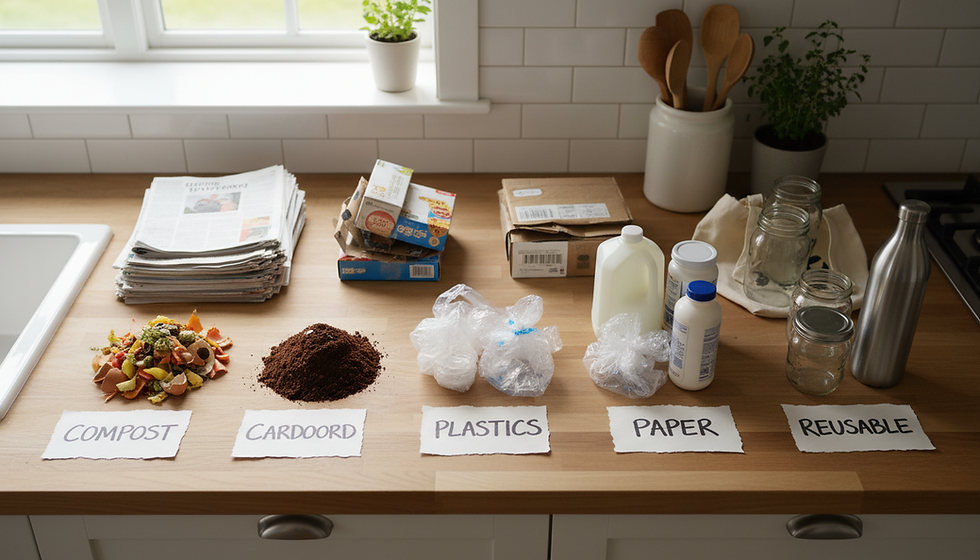
Waste management is a challenge we all face. Adopting a mindful approach to waste can significantly reduce your exposure to pollution and landfills. Begin by implementing a recycling system in your home. Sort your waste into recyclables, compostables, and trash.
Composting is an excellent method for reducing food waste. Even if you have a small living space, composting can be done indoors with a countertop compost bin or a worm bin. Compost enriches the soil, reduces landfill waste, and decreases methane emissions – a greenhouse gas that is far more potent than carbon dioxide.
Additionally, practice mindful consumerism by questioning your purchasing decisions. Ask yourself if the item you wish to buy is something you need, or is it just a want? Reducing impulse purchases can lead to a considerable decrease in waste and support a more sustainable lifestyle.
A Commitment to Eco-Conscious Living
Transitioning to an eco-friendly life is a journey that requires commitment and perseverance. Making small changes one step at a time can lead to significant improvements for both the environment and your well-being.
Consider these eco-conscious living tips as a guide in your quest for sustainability. Every choice matters, and your collective actions can foster a healthier planet for future generations.
Incorporating these eco-friendly practices into your life can be an empowering experience. The small steps you take today can lead you toward a more sustainable lifestyle that benefits yourself and the world around you. By becoming more mindful of your choices, you can inspire others to join you on this journey toward a greener future.


Comments