
Transforming Trash: Jesseca's Journey to Zero Waste and Eco-Conscious Living

Trash. We all make it, and most of us just toss it without a second thought. But what if you could live for years without throwing away a single thing? Jesseca, the founder of a unique lifestyle approach, has done just that. For about five years, she has not thrown away food or much else, thanks to a personalized trash system she created. Her story is not just about reducing waste; it’s about changing habits, mindset, and even finding gratitude in what we usually discard.

Starting with Composting and Consumer Awareness
Jesseca’s journey began with composting. She realized that food waste was a huge part of her trash and decided to turn scraps into nutrient-rich compost instead of landfill garbage. This simple step sparked a bigger change. She started examining her consumer habits closely:
What was she buying?
How much packaging did it have?
Could she buy less or choose reusable options?
This reflection led her to reduce unnecessary purchases and opt for products with minimal or recyclable packaging. She also began dividing her trash into several distinct piles, each with a clear purpose.
The Art of Sorting Trash into Purposeful Piles
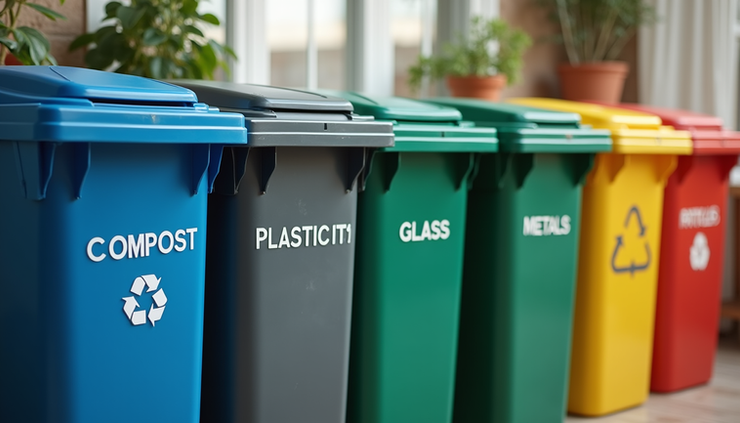
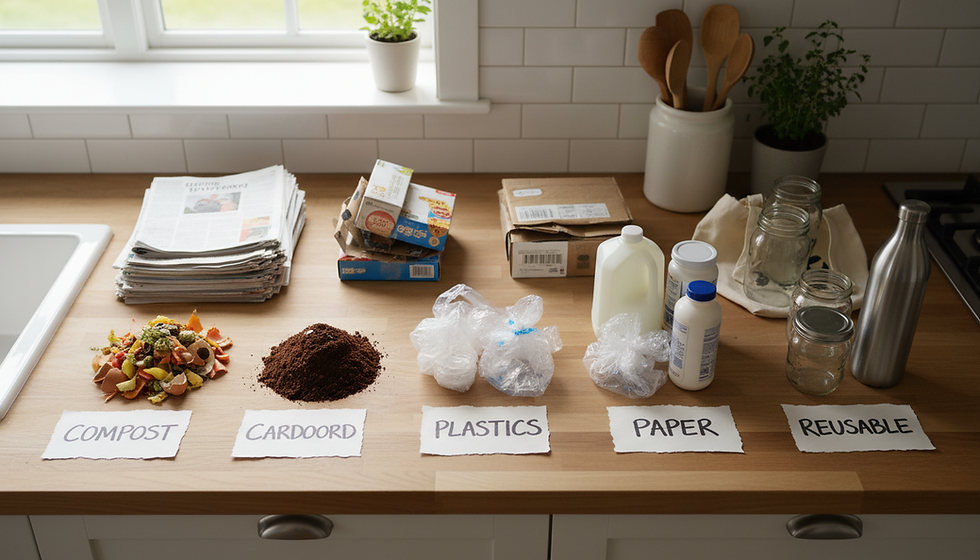
Jesseca’s system is more than just recycling. She sorts her waste into five specific categories:
Compost: Food scraps and biodegradable waste go here.
Recyclables: Plastics that can be recycled, like bottles and containers.
Metals: Cans and other metal items.
Glass: Bottles and jars.
Paper: Paper that can be burned safely.
This detailed sorting helps her reduce the amount of trash that ends up in the landfill drastically. Instead of filling up multiple trash bins weekly, she now throws away about one grocery-sized bag of trash per month. Recycling happens once a month, making the process manageable and efficient.
Changing Consumer Habits for Long-Term Impact
One of the biggest shifts Jesseca made was in how she shops. She no longer buys impulsively or without thinking about the waste her purchases create. Instead, she:
Chooses products with less packaging or packaging that fits her recycling categories.
Buys from local sources to reduce transportation waste.
Prefers reusable or refillable containers.
Donates items she no longer needs instead of throwing them away.
These changes have not only reduced her trash but also helped her live more intentionally and sustainably. It’s a lifestyle that challenges the throwaway culture many of us are used to.
Finding Gratitude in Trash
Here’s the part that might surprise you: Jesseca credits a big part of her success to gratitude. She practices gratitude for the plastic and other waste she produces. This might sound odd, but it’s a powerful mindset shift. By appreciating the materials she uses and discards, she feels more connected to nature and motivated to find eco-friendly alternatives.
Gratitude acts as a guide, helping her stay committed to her system and encouraging her to discover new ways to reduce waste. It’s an energetic approach that turns trash from a burden into a teacher.

Practical Tips from Jesseca’s System You Can Try
If you want to start reducing your trash like Jesseca, here are some practical steps:
Start composting: Even a small bin for food scraps can make a difference.
Sort your trash: Create separate bins or bags for compost, recyclables, metals, glass, and paper.
Review your shopping habits: Buy less, choose reusable, and support local.
Donate instead of discarding: Clothes, books, and household items can find new homes.
Practice gratitude: Appreciate the resources you use and the waste you produce to stay motivated.
Living with Less Waste Is Possible and Rewarding
Jesseca’s journey shows that living with almost no trash is achievable with commitment and creativity. Her system is simple but effective, combining practical sorting with thoughtful consumer choices and a positive mindset. The result is less waste, less environmental impact, and a deeper connection to the world around her.
If you’re ready to rethink your trash and take control of your waste, start small and build your own system. You might be surprised how much you can reduce your trash and how rewarding it feels to live more sustainably.


Comments