
Simple Ways to Live a More Eco-Friendly Life

Living an eco-friendly life is becoming increasingly important as we face the challenges of climate change and environmental degradation. Fortunately, making small adjustments can lead to significant positive changes for our planet. In this blog post, we will explore simple and practical ways to live a more eco-friendly life.
Understanding Eco-Friendly Life
Our daily habits contribute to our environmental footprint. From the products we use to the food we consume, our choices impact the planet. Choosing a lifestyle that prioritizes sustainability can help reduce waste, conserve natural resources, and protect wildlife. Adopting eco-friendly practices isn’t an all-or-nothing approach; it can be about taking small, manageable steps that fit your lifestyle.
Simple Changes in Your Home
Making your home more eco-friendly starts with small changes. Here are some actionable recommendations:
Switch to Energy-Efficient Appliances: Opt for appliances that hold the ENERGY STAR label. These appliances use less energy and water, leading to reduced utility bills and a lower environmental impact.
Use Eco-Friendly Cleaning Supplies: Replace store-bought cleaners with eco-friendly alternatives. Many natural ingredients, like vinegar and baking soda, can effectively clean your home without harmful chemicals.
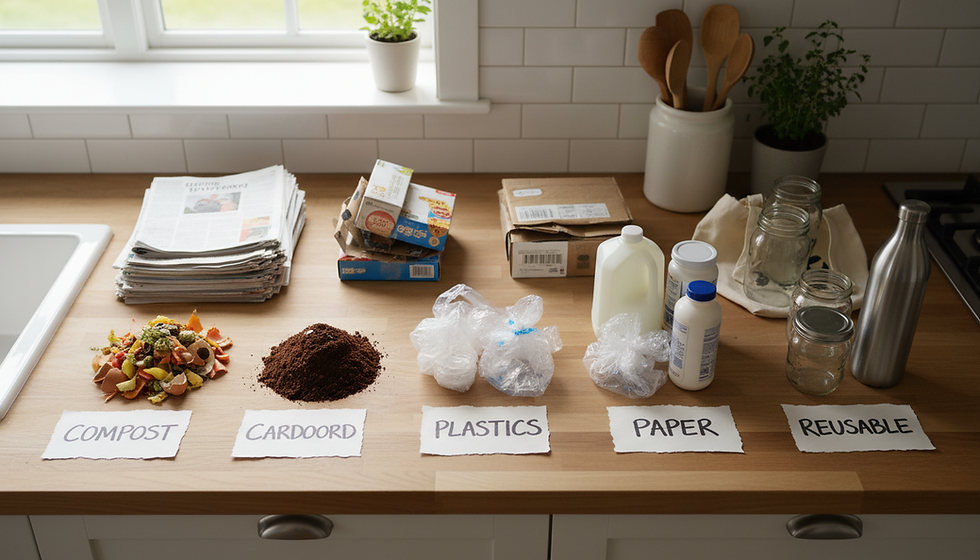
Invest in Reusable Items: Instead of single-use plastics, choose reusable alternatives. Invest in stainless steel or glass water bottles, cloth shopping bags, and beeswax wraps to reduce waste.
Practice Water Conservation: Simple practices like fixing leaky faucets, using a broom instead of a hose to clean driveways, and taking shorter showers can save gallons of water.

Adopting these habits not only results in a cleaner home but also contributes significantly to eco-friendliness.
Sustainable Transportation Options
Transportation is another significant source of carbon emissions. Here are ways to transition to more sustainable travel:
Walk or Bike More: For short distances, consider walking or biking instead of driving. This not only reduces emissions but also enhances your physical health.
Use Public Transportation: By using buses, trains, or subways, you can significantly decrease your carbon footprint. Shared transit reduces the number of vehicles on the road, leading to decreased pollution levels.
Carpool or Ride-share: Whenever possible, share rides with friends or coworkers. This cuts down on the number of vehicles needed for commuting, which helps reduce overall emissions.

Exploring these transportation alternatives can make a substantial difference while also enhancing your daily experience.
Rethinking Your Diet
Your eating habits can heavily influence your environmental footprint. Here are some eco-conscious living tips when it comes to your diet:
Eat More Plant-Based Foods: Consider reducing your meat and dairy consumption. Even a few meatless days a week can decrease your carbon footprint significantly.
Buy Local and Seasonal: Purchase fruits and vegetables from local farmers' markets. This supports local economies and reduces food miles, which contribute to greenhouse gas emissions.
Minimize Food Waste: Be mindful of expiration dates and learn proper food storage techniques. Leftovers can be creatively transformed into new meals, reducing waste.
Grow Your Own Food: If you have space, try growing your own fruits and vegetables. This can be a fulfilling hobby and ensures your food is chemical-free.

By changing your eating habits, you can enjoy health benefits while simultaneously making a positive impact on the environment.
Sustainable Fashion Choices
Fashion is a major contributor to environmental degradation. Here’s how to make more sustainable choices in your wardrobe:
Choose Sustainable Brands: Look for companies that prioritize ethical production methods and sustainable materials. Many brands now offer eco-friendly options that do not compromise style.
Buy Second-Hand: Thrift shops or online resale platforms are great places to find unique, pre-loved items. This practice helps to reduce clothing waste and supports a circular economy.
Care for Your Clothes: Extend the life of your garments by following proper care instructions. Regular repairs, versatile styling, and washing in cold water can reduce wear and tear.
Adopt a Minimalist Wardrobe: A smaller, curated collection of versatile pieces leads to less consumption. Prioritize quality over quantity to create a sustainable wardrobe.

Making conscious fashion choices can reduce environmental impact while allowing for personal expression.
Involve Your Community
Living sustainably isn’t just an individual journey—it’s a community effort. Here’s how to engage others in eco-friendly practices:
Community Cleanups: Organize or participate in local cleanup events. This not only beautifies public spaces but also raises awareness about pollution.
Educational Workshops: Host workshops that teach sustainable practices, like composting or upcycling old clothing. Sharing knowledge can inspire others to adopt eco-friendly lifestyles.
Support Local Initiatives: Engage with local organizations that focus on sustainability. Volunteer your time or resources to help them achieve their goals, creating a collective impact.
Inspire Change: Share your journey to living sustainably on social media or through community events. Sometimes, seeing others make eco-friendly choices can motivate those around you to do the same.
By fostering community connections, you can work together with others towards a more eco-friendly future.
Embracing a Greener Future
Living a more eco-friendly life doesn’t have to be overwhelming. Start with small changes and gradually adopt more sustainable habits. With the right mindset and resources, everyone can make a difference, no matter how small.
These simple yet impactful changes can remind us of the beauty of our planet and the responsibility we hold in preserving it. For more inspiration and eco-conscious living tips, visit Eccofy.
Let’s commit to living more sustainably for ourselves, for future generations, and for our beloved Earth.


Comments